



Introduction:
CPR (Cardiopulmonary Resuscitation) certification is a vital skill for anyone looking to respond effectively in emergencies. Whether you’re a healthcare professional, a teacher, a coach, or just someone who wants to be prepared, online CPR certification is a convenient and accessible way to get trained. With the rise of online learning, there are numerous options available, but not all courses are the same. In this article, we’ll discuss the best practices for choosing an online CPR certification course that meets your needs, ensures quality training, and fits your schedule.
1. Look for Accredited Providers
One of the most important factors to consider when choosing an online CPR certification course is accreditation. Certification from a recognized, reputable provider ensures that the training meets national standards and is accepted by employers and regulatory bodies.
- Accreditation from Reputable Organizations: Look for courses accredited by organizations such as the American Heart Association (AHA) or the Red Cross. These organizations provide CPR certifications that are widely recognized and trusted by employers in healthcare, education, fitness, and other industries.
- Ensure Validity: The certification should be valid for at least two years. Most reputable organizations offer certifications with a renewal period of two years, meaning you’ll need to refresh your skills periodically to stay up-to-date.
2. Check Course Content and Learning Method
When selecting an online CPR certification course, it’s important to review the content to ensure it covers all necessary skills and procedures. A high-quality course should teach not only CPR for adults but also pediatric CPR, AED (Automated External Defibrillator) use, and first aid basics.
- Comprehensive Curriculum: The course should cover adult CPR, infant and child CPR, choking procedures, the use of an AED, and first aid for common injuries like cuts, burns, and sprains.
- Interactive and Engaging: A good online course will include interactive content such as videos, demonstrations, and quizzes to reinforce learning. Practical scenarios and virtual practice help ensure you can apply what you’ve learned in real-life situations.
For example, online CPR certification from well-known providers like the AHA often includes video demonstrations of CPR techniques and the correct use of AEDs to ensure students are fully prepared.
3. Consider Flexibility and Convenience
One of the main advantages of online CPR certification is the flexibility it offers. Choosing a course that fits into your schedule is key to making the process as easy as possible.
- Self-Paced Learning: Many online CPR certification courses allow you to complete the training at your own pace. This flexibility means you can start and stop the course whenever it’s most convenient for you, without the need to attend in-person classes.
- 24/7 Access: Online courses are available anytime, which means you can learn at your own convenience, whether it’s during evenings, weekends, or even while traveling. This is perfect for busy professionals or individuals with tight schedules.
4. Look for Immediate Certification Access
Once you’ve completed the CPR course and passed the exam, you should receive your certification without delay. Immediate access to your certification is important, especially if you need it for a job or other urgent purposes.
- Instant Certification: Choose an online CPR provider that offers instant access to your certification upon completion. This ensures that you can download and print your certificate right away and use it for job requirements or other purposes.
- Certificate Validation: Ensure the provider offers a certificate that can be verified by employers or regulatory bodies. An accredited online course will typically offer a downloadable certificate with verification options.
5. Review Reviews and Testimonials
Before committing to a particular online CPR certification provider, it’s a good idea to read reviews and testimonials from other students. This will give you an idea of the course quality and the overall learning experience.
- Check Ratings: Look for courses with high ratings and positive feedback from past students. Pay attention to how the course is structured, the quality of the learning materials, and the ease of navigation on the platform.
- Success Stories: Testimonials can give you insight into how others have benefited from the course, whether they found it easy to follow, how effectively it prepared them for emergencies, and if the certification was recognized by employers.
6. Ensure Customer Support Availability
It’s important to choose a CPR certification provider that offers reliable customer support. If you run into issues during the course, you’ll want to have someone you can reach out to for help.
- Accessible Support Channels: Look for providers that offer email, chat, or phone support in case you have any questions or need clarification on the course material or exam.
- Technical Assistance: Since the course is online, technical issues can sometimes arise. Ensure that the provider has a support system in place to help with any login or video streaming issues.
7. Ensure the Course Includes a Skills Test
Although online courses are convenient, CPR is a practical skill, and being able to demonstrate your knowledge is important. Many online CPR certification programs require a skills test to ensure you can perform CPR and use an AED effectively.
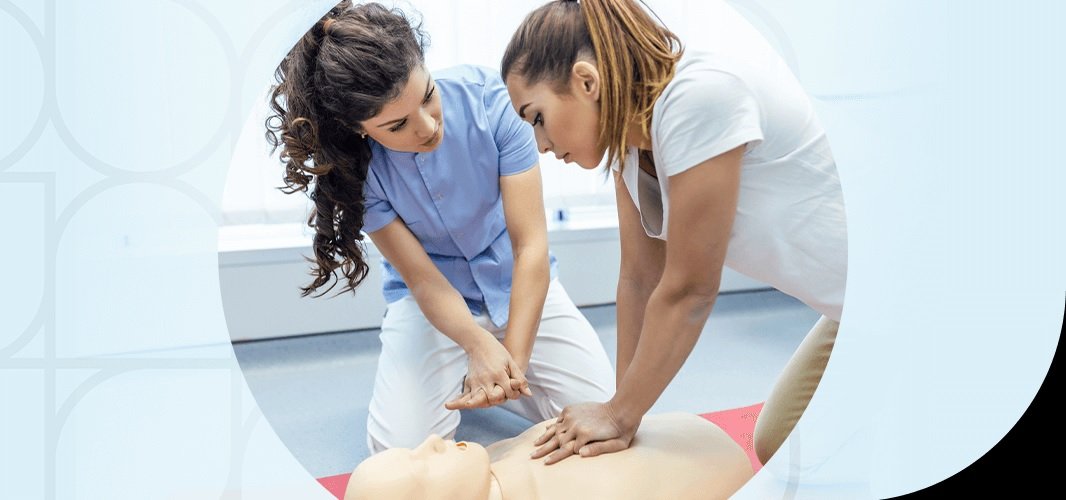
- Skills Demonstration: Some online providers offer virtual skills tests, where you can demonstrate your CPR skills on a mannequin or submit a video showing your techniques. This ensures that you are not only learning the theory but also applying it in practice.
- Hands-On Practice: Even if the course is online, ensure there is some form of practical application or demonstration so you’re ready to perform CPR in an actual emergency.
8. Compare Pricing and Offerings
While price shouldn’t be the only factor, it’s essential to ensure you’re getting good value for your money. Look for an online CPR certification course that is affordable yet comprehensive.
- Transparent Pricing: Avoid courses with hidden fees or additional charges. Look for providers that offer clear pricing for the entire course.
- Discounts for Groups: If you’re training a team, workplace, or school group, some online CPR providers offer discounts for bulk training packages.
Conclusion
Choosing the right online CPR certification course is essential to ensuring you’re prepared to act in emergencies. By focusing on accreditation, course content, flexibility, and the availability of support, you can select a provider that meets your needs and helps you gain the confidence and skills necessary to save lives. For a comprehensive, accredited, and easy-to-follow CPR certification, online CPR certification from MyCPR NOW is an excellent choice.
Refresh Date: December 30, 2025