




Learn effective waste management strategiesfor increased sustainability and profitability! Optimise resource use for a better!
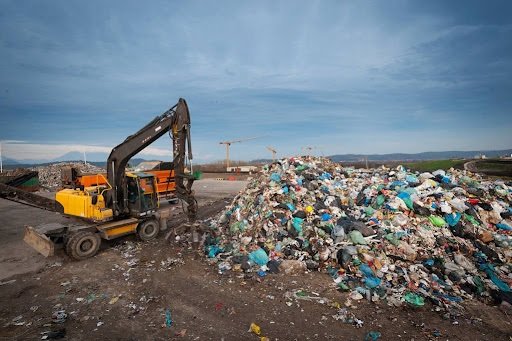
Waste generation continues to place significant pressure on natural systems and financial structures worldwide. Improper handling of discarded materials leads to soil degradation, water contamination, and air pollution, creating long-lasting harm to ecosystems and public well-being. These issues generate mounting cleanup expenses, regulatory penalties, and healthcare costs that burden both governments and private organisations. Poor waste practices often reflect inefficient resource use, translating into lost economic value and missed opportunities for recovery.
A structured approach to waste handling offers a pathway toward reducing environmental damage and unlocking financial gains. Organisations such as BNL Singapore demonstrate how strategic waste solutions can help businesses optimise resource use while maintaining regulatory compliance. Businesses and communities that refine how materials are managed often experience lower disposal expenses, improved compliance, and stronger public trust.
Well-planned waste management strategies support environmental responsibility while strengthening profitability. Reducing material loss, extending product lifecycles and maximizing reuse contribute to operational efficiency. Organizations that integrate responsible waste practices often experience lower overhead costs and improved brand perception, aligning financial goals with environmental stewardship.
Waste management describes the organized handling of discarded materials through collection, transportation, treatment, and final disposal. This process includes prevention, material recovery, recycling, composting, energy generation and landfill oversight. The objective centers on minimizing ecological impact while preserving resources and recovering economic value wherever possible.
Urban expansion, population growth, and rising consumption patterns have intensified waste generation across residential, commercial, and industrial sectors. Effective waste handling supports cleaner communities, protects natural resources and promotes public health. Recycling and recovery initiatives create employment opportunities and stimulate circular economic activity, reinforcing both environmental and economic resilience.
Waste Management and Sustainability
Understanding Sustainability
Sustainability involves managing resources responsibly so future generations retain access to clean air, water, land and energy. This principle balances environmental protection, economic stability and social responsibility. Long-term progress depends on reducing depletion, limiting pollution and maintaining ecological systems that support life and industry.
How Waste Strategies Support Sustainable Outcomes
Responsible waste practices reduce the demand for raw materials and limit environmental degradation. Recycling conserves energy and natural resources, composting restores soil nutrients and recovery technologies redirect materials away from landfills. These approaches reduce emissions, preserve ecosystems and support closed-loop systems where materials remain in productive use for extended periods.
The Business Case for Waste Management
Financial Advantages
Organizations that refine waste handling often realize measurable cost savings. Reduced landfill fees, lower material purchasing expenses and revenue from recyclable materials strengthen financial performance. Energy recovery systems generate power from discarded materials, lowering utility expenses and increasing operational self-sufficiency.
Regulatory compliance achieved through proper waste handling helps organisations avoid fines and reputational damage. Many investors and customers favour businesses demonstrating responsible environmental practices, supporting long-term competitiveness.
Business Success Stories
Companies across the manufacturing, retail, and logistics sectors have improved profit margins by rethinking waste processes. Material reuse programmes reduce procurement costs, packaging redesign lowers shipping expenses, and waste-to-energy systems offset operational energy consumption. These initiatives illustrate how waste strategies contribute directly to financial growth while reducing environmental harm.
Effective Waste Management Strategies
Waste Prevention Approaches
Preventing waste at its source offers the most efficient path toward sustainability. This includes thoughtful purchasing decisions, resource-efficient production methods and behavioral changes that priorities reduction over disposal. Designing products for durability and repair ability further limits material loss.
Resource-Efficient Manufacturing
Producing goods with fewer natural inputs reduces extraction pressure and energy consumption. Process optimisation, material substitution and lean manufacturing techniques minimise waste generation while maintaining product quality. This approach supports both cost control and environmental responsibility.
Reduced Packaging Practices
Limiting packaging volume lowers material consumption and transportation costs. Reusable containers, biodegradable materials and simplified designs decrease waste output while appealing to environmentally conscious consumers seeking responsible purchasing options.
Waste Reduction and Recovery Techniques
Organic Waste Composting
Composting transforms food scraps and yard waste into nutrient-rich soil amendments. This process diverts organic materials from landfills, lowers methane emissions and supports agricultural productivity. Compost use improves soil structure, water retention and plant health.
Recycling Non-Organic Materials
Recycling converts plastics, metals, glass, and paper into reusable resources. This practice conserves raw materials, reduces energy use and decreases pollution associated with manufacturing from virgin inputs. Efficient sorting and processing systems improve recycling outcomes and material recovery rates.
Waste Conversion Methods
Waste-to-Energy Systems
Waste-to-energy facilities transform discarded materials into electricity or heat. Technologies such as controlled combustion and anaerobic digestion reduce landfill dependency while producing usable energy. These systems support cleaner waste handling and contribute to renewable energy supply.
Biofuel Production
Organic waste streams can be processed into biofuels that replace fossil-based energy sources. Agricultural residues, food waste and plant materials serve as feedstock for renewable fuel production. Bioenergy applications reduce emissions and support diversified energy portfolios.
Landfill Management Practices
Responsible Landfill Oversight
Modern landfill operations prioritise environmental protection through monitoring systems, containment measures and compliance protocols. Effective management extends landfill lifespan and reduces contamination risks to surrounding ecosystems and communities.
Advanced Sorting Technologies
Automated sorting systems separate recyclable and compostable materials before disposal. Optical scanners, magnetic separators and AI-driven identification tools increase recovery efficiency and reduce landfill volume. These technologies improve material quality and recycling viability.
Landfill Gas Utilisation
Methane released during waste decomposition can be captured and converted into electricity. This process reduces greenhouse gas emissions while generating renewable power for nearby communities or industrial use.

Challenges in Waste Management
Common Obstacles
Waste management initiatives often encounter financial limitations, infrastructure gaps, limited public awareness and regulatory complexity. Stakeholder resistance and inconsistent participation can further reduce programme effectiveness.
Addressing Barriers
Clear planning, workforce training, community education and cross-sector collaboration support successful implementation. Continuous performance monitoring allows organisations to refine strategies and adapt solutions to evolving needs.
Waste Conversion Methods
Waste-to-Energy Systems
Waste-to-energy facilities transform discarded materials into electricity or heat. Technologies such as controlled combustion and anaerobic digestion reduce landfill dependency while producing usable energy. These systems support cleaner waste handling and contribute to renewable energy supply.
Biofuel Production
Organic waste streams can be processed into biofuels that replace fossil-based energy sources. Agricultural residues, food waste and plant materials serve as feedstock for renewable fuel production. Bioenergy applications reduce emissions and support diversified energy portfolios.
Landfill Management Practices
Responsible Landfill Oversight
Modern landfill operations prioritise environmental protection through monitoring systems, containment measures and compliance protocols. Effective management extends landfill lifespan and reduces contamination risks to surrounding ecosystems and communities.
Advanced Sorting Technologies
Automated sorting systems separate recyclable and compostable materials before disposal. Optical scanners, magnetic separators and AI-driven identification tools increase recovery efficiency and reduce landfill volume. These technologies improve material quality and recycling viability.
Landfill Gas Utilisation
Methane released during waste decomposition can be captured and converted into electricity. This process reduces greenhouse gas emissions while generating renewable power for nearby communities or industrial use.
Challenges in Waste Management
Common Obstacles
Waste management initiatives often encounter financial limitations, infrastructure gaps, limited public awareness and regulatory complexity. Stakeholder resistance and inconsistent participation can further reduce programme effectiveness.
Addressing Barriers
Clear planning, workforce training, community education, and cross-sector collaboration support successful implementation. Continuous performance monitoring allows organisations to refine strategies and adapt solutions to evolving needs.
Closing Perspective
Effective waste management supports environmental protection while strengthening financial performance. From prevention and recycling to energy recovery and advanced landfill practices, responsible material handling creates measurable benefits for businesses and communities. Innovation, technology adoption, and strategic planning continue to reshape how waste is viewed—not as a liability, but as a resource with economic potential. Organisations that prioritise thoughtful waste strategies position themselves for sustainable growth, regulatory alignment and long-term profitability in an increasingly resource-conscious global economy.
Refresh Date: January 25, 2026