





High-temperature fluid systems may sound like a complicated topic, but the basics behind them are not so hard. In the context of separating hot oil vs thermal oil vs heat transfer pumps, engineers typically consider the suitable oil and pump for the most efficient heat circulation.
At Mackwell Pumps, we have collaborations with industries that rely on constant heating systems. We explain this topic to you in simple words so that you can make the right choice for your application.
Why These Pumps Matter in High Temperature Systems
Heat transfer systems are the backbone of many industries. They keep processes stable, energy efficient, and safe.
Instead of generating steam under pressure, many plants now prefer oil-based heat transfer. This reduces risk and improves temperature control. The pump becomes the heart of this system. If it fails, the entire process stops.
What is Hot Oil in Industrial Systems?
Hot oil mostly refers to mineral or synthetic oil heated to a high temperature. The hot oils are generally used where water-based systems cannot be used.
Some of the main features of hot oil systems are:
- Operating temperatures are much higher than the boiling point of water
- Low system pressure
- Consistent heat delivery
Hot oil is commonly used in asphalt plants, chemical processing, and textile units.
Understanding Thermal Oil
Thermal oil is a subclass of hot oil. It is actually a fine-tuned product that focuses on heat transfer rather than lubrication. Thermal oil offers:
- Better thermal stability
- Longer service life
- Lower oxidation at high temperatures
In most modern plants, thermal oil is preferred over generic hot oil because it remains stable during long heating cycles. According to a report by Therminol, thermal oil systems can operate safely above 300°C with minimal pressure when designed correctly.
What Are Heat Transfer Pumps?
Heat transfer pumps move heated fluids through the system. Their role is not just circulation, but also temperature safety. These pumps must handle:
- High temperatures
- Thermal expansion
- Continuous operation
This is where many standard pumps fail. Bearings overheat, seals degrade, and vibration increases.
Where Confusion Usually Happens
Many buyers assume hot oil, thermal oil, and heat transfer pumps are interchangeable terms. They are not. Hot oil and thermal oil are fluids.
Heat transfer pumps are machines designed to move those fluids safely. The real comparison starts when choosing the pump type.
Hot Oil Pumps vs Thermal Oil Pumps
In practice, both require similar pump design features. The difference lies in the operating range and system stability. Thermal oil pumps generally need:
- Higher temperature tolerance
- Better venting
- Reduced heat transfer to bearings
Hot oil pumps for basic systems may not survive prolonged high-temperature use.
What Makes a Heat Transfer Pump Reliable
Based on our experience, prioritising safety is essential for an effective heat transfer pump. Key design considerations include:
- Internal venting to manage heat buildup
- Shaft design that limits heat travel
- Balanced impeller for smooth flow
- No external cooling requirement
This is exactly where our THERMACK range stands out.
Introducing the THERMACK Hot Oil Pump
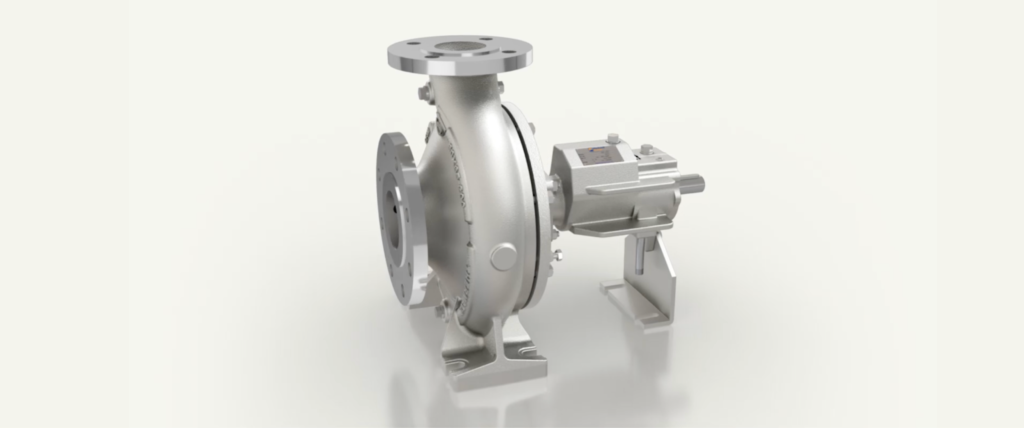
At Mackwell Pumps, we designed THERMACK specifically for demanding thermal systems. THERMACK handles both hot oil and thermal oil with ease. It supports temperatures from minus 50°C up to 350°C without external cooling. Key highlights of THERMACK:
- Flow rate up to 754 m3 per hour
- Head up to 102 meters
- Closed impeller with hydraulic thrust balance
- Internal venting for natural convection cooling
Why External Cooling is Often a Problem
Many traditional pumps depend on cooling jackets or water circulation. This adds cost, maintenance, and failure points. THERMACK avoids this completely. Its venting technology manages heat internally. This improves reliability and simplifies installation.
Where THERMACK is Commonly Used
THERMACK fits the following uses:
- Heat transmission systems
- Warm water circulation
- Hot oil loops
- Processes of synthetic oil
Industries enjoy the advantage of reliability even under continuous heavy load cycles.
Choosing the Right Option
The matter is not just the fluid when comparing Hot Oil vs Thermal Oil vs Heat Transfer Pumps. It is mainly about:
- Temperature level
- Pressure level
- Duration of operation
- Safety level
The wrong pump choice for heat transfer could lead to failure and damage.
Final Thoughts
Getting the differences between hot oil, thermal oil and heat transfer pumps right is a step towards safe, effective and economic system operation. The fluid, the temperature, and the pump design must work together.
At Mackwell Pumps, we support industries with solutions like THERMACK that are built for real-world thermal challenges. When heat matters, design matters even more.
FAQs
1) What is the main difference between hot oil and thermal oil?
Thermal oil is specifically refined for heat transfer and offers better stability at high temperatures.
2) Can one pump handle both hot oil and thermal oil?
Yes, THERMACK is designed to handle both safely up to 350°C.
3) Why is internal venting important in heat transfer pumps?
It helps manage heat naturally and protects bearings from overheating.
Refresh Date: January 30, 2026