




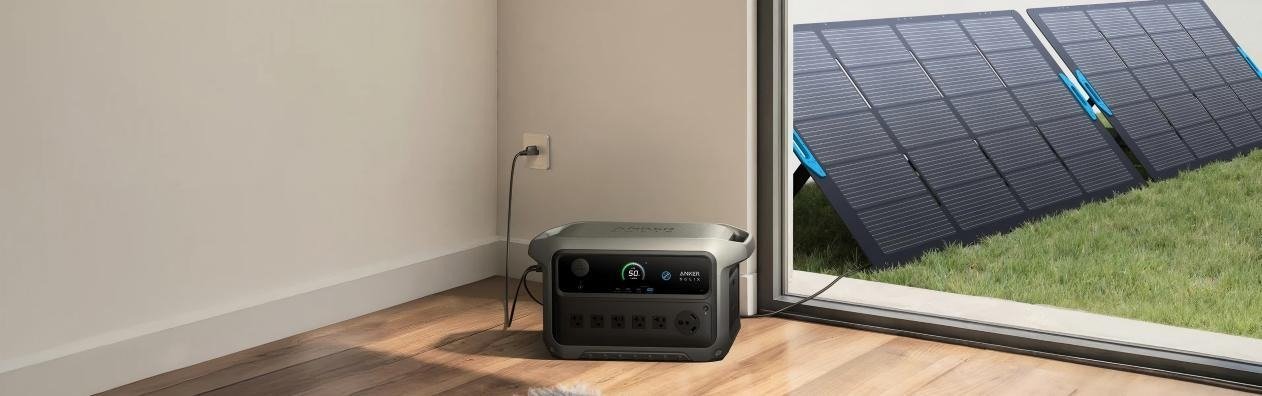
Generator size determines more than simple backup capability. It drives how much you spend over the years of ownership, especially when your home experiences frequent outages or depends on high-demand appliances. Oversizing, undersizing, and mismatched capacity all create cost patterns that homeowners rarely see until they face fuel bills, runtime limits, or maintenance schedules. These long-term costs apply whether you use traditional gas generators or modern solar-based systems. Solar solutions such as the Anker SOLIX C2000 Gen 2 paired with a 400W solar panel alter the cost structure by eliminating fuel and reducing mechanical wear. Understanding each cost driver helps homeowners make decisions that genuinely lower their lifetime whole home generator cost.
The Way Generator Size Shapes Everyday Operating Costs
Fuel Consumption Escalates as Capacity Increases
Larger generators burn more fuel—even at low or moderate loads—because their engines operate at higher displacement. This design means homes that buy oversized units often pay for performance they rarely use. Every hour of runtime multiplies fuel expense, especially during extended blackouts. Even standby tests and monthly warmups consume additional fuel, steadily raising the whole home generator cost over time. Solar generators avoid this consumption pattern entirely. A system like the C2000 Gen 2 runs without fuel, and because it relies on stored battery energy and sunlight, its output does not increase your operating budget. High-demand appliances operate efficiently without routine financial penalties, which makes long-term ownership far more sustainable.
Maintenance Costs Scale With Generator Size
Mechanical generators require regular oil changes, filter replacements, inspections, and tune-ups. Larger engines demand more maintenance volume and higher service fees. Even minor wear adds up, and oversized units often run inefficiently, creating additional strain. Long-term spending continues to climb when the generator becomes a recurring service commitment. Solar power stations eliminate almost all maintenance because they contain no combustion engine. The C2000 Gen 2 avoids oil, filters, belts, and exhaust parts, reducing the maintenance budget to nearly zero. This difference reshapes the long-term financial picture, especially for homeowners who previously relied on mechanical systems.
Runtime Efficiency Varies With Load Matching
Generators operate most efficiently when their size matches the home’s demand. Undersized systems overload and shut down, while oversized ones burn unnecessary fuel at low loads. The mismatch affects performance and spending. Homes that use their generators frequently experience these inefficiencies more clearly. Solar generators offer a more forgiving range. The C2000 Gen 2 delivers 2,400W of continuous power and 4,000W peak output, serving most daily appliances without oversizing. When homeowners need more runtime, adding a BP2000 expansion battery raises capacity without replacing the entire system. This modular approach avoids the spiraling cost associated with purchasing or maintaining a bigger generator than necessary.
The Long-Term Spending Problems That Come From Over- and Under-Sizing
Undersized Generators Increase Wear and Reduce Lifespan
Homes that underestimate their power needs force their generator to run near or above its rating. This causes overheating, early part failure, and rapid degradation. The long-term cost manifests in frequent repairs and early replacement—both expensive outcomes. Solar generators avoid this mechanical stress because they do not rely on combustion to maintain output. The C2000 Gen 2 supports high loads without adding heat, wear, or component fatigue. For homeowners who depend on their backup system year-round, this stability directly decreases lifetime spending by extending system longevity.
Oversized Units Raise Purchase, Storage, and Supply Costs
Buying a generator bigger than necessary increases upfront cost and inflates ongoing expenses. Larger units require more complex installation, larger transfer switches, and more dedicated space. Fuel storage becomes more expensive because bigger generators consume more per hour. This burdens homeowners who intended to prepare for emergencies but ended up with an oversized system. Solar generators reduce this risk because sizing becomes more flexible. Adding a solar panel increases recharge potential without changing the generator. Adjusting capacity with expansion batteries increases storage without increasing footprint. The C2000 Gen 2 supports this tiered approach, removing many oversizing penalties entirely.
Load Diversity Creates Variable Cost Patterns
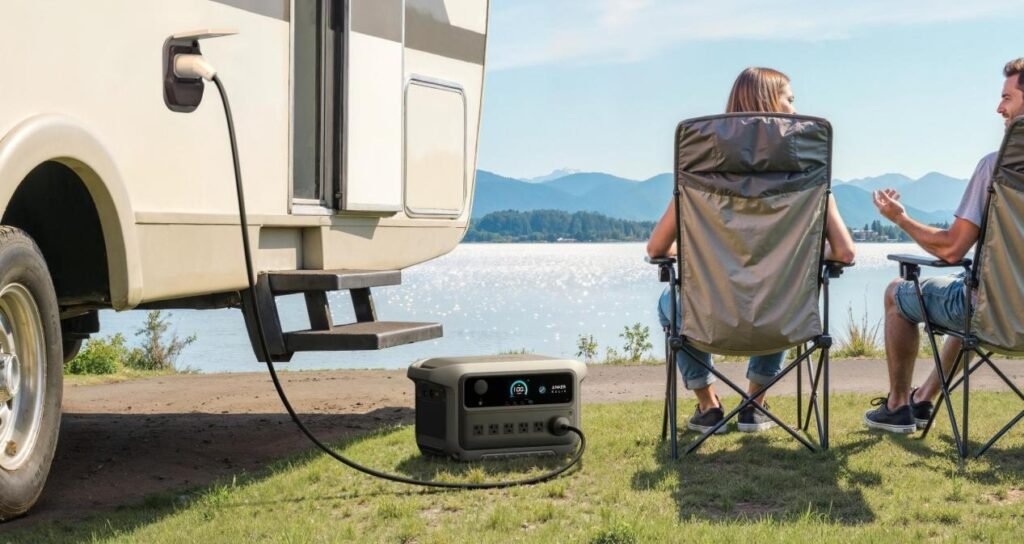
Modern homes rarely fit neatly into a single energy profile. Some run HVAC systems heavily, others rely on electric cooking, and some maintain multiple refrigerators or home office equipment. Generator size affects each home differently because appliance combinations vary. A right-sized system saves money by matching typical demand while still covering emergencies. Solar generators adjust naturally to diverse load situations. Because sunlight recharges the C2000 Gen 2 daily and its high peak output serves many appliances comfortably, long-term spending remains steady across a wide range of home usage patterns. It adapts to lifestyle changes without requiring a new generator purchase.
Conclusion
Generator size plays a defining role in long-term spending. Larger mechanical generators cost more to purchase, fuel, maintain, and service. Undersized models fail under pressure and shorten their own lifespan, prompting early replacement. Homes with variable load needs face unpredictable spending unless their generator capacity aligns closely with their real usage. Solar alternatives, especially systems like the Anker SOLIX C2000 Gen 2 with its 400W solar panel, restructure these costs by eliminating fuel, reducing maintenance, and allowing modular expansion. Understanding how generator size shapes expenses over the years empowers homeowners to select a system that matches their needs without inflating long-term financial commitments.
Refresh Date: February 12, 2026