




Introduction
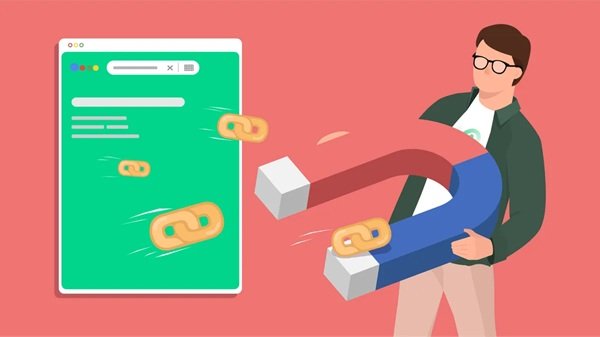
Backlinks are a cornerstone of effective SEO strategies, acting as endorsements from other websites that signal your site’s credibility to search engines. Each time your site earns a backlink from another reputable website, it sends a positive ranking signal to search engines like Google and Bing. However, over time, some of these valuable links may disappear, potentially impacting your site’s search rankings and overall online visibility. The loss of high-quality backlinks can diminish authority and lead to a drop in organic traffic, potentially harming your business goals.
For businesses seeking professional assistance in this area, Vazoola offers comprehensive SEO link reclamation services. With over a decade of experience in link building and content marketing, Vazoola specializes in identifying and repairing broken links, ensuring your website maintains its authority and search engine performance. Their expertise spans various industries, making them a trusted partner for businesses aiming to enhance their online presence. By leveraging professional help, businesses can save time and focus on what they do best while experts handle intricate link-related challenges.
Why Backlinks Matter
Backlinks serve as votes of confidence from other websites, indicating that your content is valuable and trustworthy. The presence of backlinks is one of the strongest ranking signals used by major search engines. They contribute to:
- Improved Search Rankings: Search engines consider backlinks when determining page rankings. Sites with strong, high-quality backlink profiles typically outrank those with fewer or lower-quality links, making backlinks a core component of top-performing SEO strategies.
- Increased Referral Traffic: Visitors can click these links to be directed directly to your site. Beyond SEO, backlinks are a practical way to acquire niche-targeted visitors who are already interested in related content or services, increasing the likelihood of conversions and engagement.
- Enhanced Domain Authority: A robust backlink profile can elevate your site’s authority in your niche. High-authority domains linking to your pages increase trustworthiness, which can compound over time, benefiting not just a single page but your entire site ecosystem.
Essentially, the more relevant and high-quality backlinks your site earns, the better its SEO health, relevance, and potential to attract visitors and prospective customers.
Common Reasons for Lost Backlinks
Understanding why backlinks are lost is crucial for effective reclamation. There are various reasons why previously earned backlinks may disappear—even from reputable sites:
- Deleted or Moved Content: If a linked page is removed or its URL changes without proper redirection, its backlinks become broken. Such lapses often occur when old blog posts are deleted during a site refresh, or when site architecture is updated without mapping legacy URLs with 301 redirects.
- Website Redesigns: Overhauls can inadvertently alter URL structures, leading to lost links. Often, internal links or entire sections are moved or renamed, orphaning valuable external links that had pointed to those resources.
- External Site Changes: The linking website may remove or update content, resulting in lost backlinks. Webmasters may purge older posts, update articles, and remove external references, or sometimes shift editorial focus and eliminate certain types of outbound links.
Regardless of the cause, regularly monitoring backlink health is necessary to minimize erosion of your site’s authority. Identifying trends behind lost links can also inform your future content creation and outreach strategies.
Step-by-Step Guide to Reclaiming Lost Backlinks
Recovering lost backlinks requires a systematic approach to immediately regain lost authority and ensure long-term SEO health. Here are the essential steps:
- Audit Your Backlink Profile: Use tools to identify lost backlinks. These platforms provide detailed lists of all domains linking to your site, as well as notifications when links are lost or broken. Conducting regular audits can help you catch issues before they impact your rankings.
- Analyze the Causes: Determine why each backlink was lost, be it due to deleted content, URL changes, or external site modifications. Segmenting by cause will help you prioritize actions and focus your efforts for maximum efficiency.
- Implement 301 Redirects: For pages that have moved or been deleted, set up 301 redirects to guide users and search engines to the correct content. This ensures that link equity is preserved and visitors do not encounter frustrating 404 errors, which can negatively affect both SEO and user experience.
- Reach Out to Webmasters: Contact the owners of linking sites to request the restoration of removed or broken links. Personalize each outreach message, politely referencing the page and suggesting a direct fix. Webmasters may appreciate the effort, especially if it helps them maintain the integrity of their own site’s resources.
- Monitor Brand Mentions: Use tools to find unlinked mentions of your brand and request that they be converted into active backlinks. These opportunities are often easier to convert than cold outreach since the source is already familiar with your brand or work.
By following these steps methodically, you can recapture much of the lost SEO value from missing links, strengthen your site’s backlink profile, and make ongoing link reclamation a natural extension of your digital marketing efforts.
Tools to Assist in Link Reclamation
Several tools can streamline the link reclamation process by automating tedious tasks, uncovering lost links, and tracking reclamation progress. These include:
- Ahrefs: Offers comprehensive backlink analysis, making it easy to identify lost or broken links, review historical link data, and track recovery efforts over time.
- SEMrush: Provides in-depth insights into your backlink profile, delivers real-time alerts for lost backlinks, and generates detailed reports to support outreach or internal strategies.
- Google Search Console: Helps monitor your site’s backlinks, detect indexation issues, and identify sudden drops in link volume, helping you get ahead of potential ranking issues.
Using a combination of these tools provides a holistic view of your backlink profile and helps quickly detect, prioritize, and reclaim valuable lost links.
Best Practices for Maintaining Backlinks
To minimize future backlink losses and maintain a resilient backlink profile, consider these ongoing best practices:
- Regular Audits: Periodically review your backlink profile using your chosen tools to quickly spot and resolve emerging issues. Frequent audits reduce the risk of missing link losses that could erode site authority over time.
- Consistent URL Structures: Avoid unnecessary changes to URLs. When changes are unavoidable, always implement proper 301 redirects to safeguard existing links and prevent broken resource paths.
- Quality Content Creation:Continuously produce valuable, authoritative content to attract and retain backlinks. High-value resources naturally earn links and help replace any lost ones organically, ensuring long-term SEO stability.
Maintaining communication with sites that frequently link to your content can also help you detect removals in advance and rebuild those connections proactively.
Final Thoughts
Link reclamation is a vital component of maintaining a strong SEO strategy. By proactively identifying and recovering lost backlinks, you can preserve your site’s authority and search rankings. While losing backlinks is a natural part of any long-term digital campaign, knowing how to bounce back quickly is what separates resilient sites from those that gradually lose visibility. Implementing the steps outlined above will help ensure that your backlink profile remains robust and beneficial to your overall digital presence.
Refresh Date: February 12, 2026