




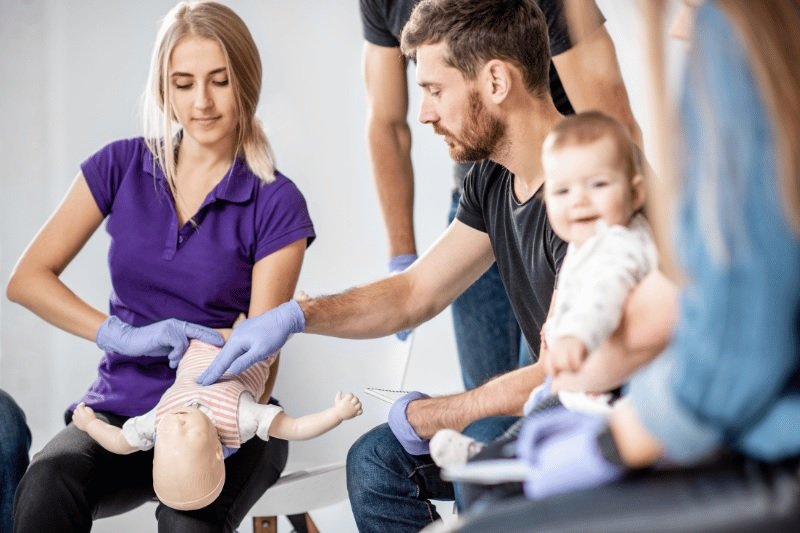
Emergencies are unpredictable. A sudden cardiac arrest, choking incident, severe bleeding, or accidental injury can happen at home, at work, or in public places without warning. In these critical moments, the actions taken within the first few minutes can determine survival. This is why CPR and First Aid training is not just a useful skill—it is a responsibility for anyone who wants to protect their loved ones.
CPR (Cardiopulmonary Resuscitation) and First Aid training equips individuals with the knowledge and confidence needed to respond effectively during emergencies. Whether it is helping a family member, a coworker, or even a stranger, these life-saving skills can make a powerful difference before professional medical help arrives.
Understanding CPR and First Aid
CPR is an emergency procedure performed when a person’s heart stops beating or they stop breathing. It helps maintain blood circulation and oxygen flow to vital organs, especially the brain, reducing the risk of permanent damage or death. First Aid, on the other hand, focuses on providing immediate care for injuries such as cuts, burns, fractures, choking, allergic reactions, and shock.
Together, CPR and First Aid form a complete emergency response system. While CPR focuses on life-threatening cardiac and breathing emergencies, First Aid helps stabilize injuries and prevents conditions from worsening.
Why CPR and First Aid Training Matters at Home
Many people believe emergencies mainly occur in hospitals or public places, but statistics show that a large number of cardiac arrests and injuries happen at home. Family members are often the first responders in these situations. Without proper training, panic and hesitation can cost valuable time.
By learning CPR and First Aid, you gain the ability to act immediately. Parents can protect children from choking or injuries. Adults can help elderly family members who are at higher risk of heart problems. Even simple First Aid skills like stopping bleeding or treating burns can prevent serious complications.
The Role of Quick Action in Saving Lives
In a cardiac emergency, every second counts. Brain damage can begin within four to six minutes without oxygen. Emergency services may take longer to arrive, especially in residential areas. CPR performed during this time keeps blood flowing and increases survival chances significantly.
Similarly, First Aid helps control injuries before they become severe. Applying pressure to bleeding wounds, managing fractures, or responding correctly to choking can stabilize a person’s condition until medical professionals arrive.
Training transforms fear into action. Instead of freezing during an emergency, trained individuals respond calmly and effectively.
Benefits of CPR and First Aid Training for Everyday Life
CPR and First Aid training is beneficial for everyone, regardless of profession or age. These skills are especially valuable for parents, teachers, caregivers, fitness trainers, and office workers. Even students and teenagers can learn basic techniques and become capable first responders.
Some key benefits include:
- Increased confidence during emergencies
- Ability to protect family and friends
- Reduced risk of severe injury or death
- Better preparedness for unexpected situations
These skills also encourage awareness and responsibility, making communities safer overall.
Online CPR and First Aid Certification: A Smart Choice
With busy schedules and limited time, many people delay learning CPR and First Aid. Online certification programs solve this problem by offering flexible, self-paced learning. You can study from home, review lessons anytime, and complete certification without attending physical classes.
A trusted option for comprehensive learning is https://cprcertificationnow.com/products/cpr-first-aid-certification, which provides detailed training aligned with current safety guidelines.
This type of certification is ideal for personal safety, workplace requirements, and professional development.
Workplace Safety and Legal Requirements
Many employers now require CPR and First Aid training as part of workplace safety policies. Offices, schools, childcare centers, gyms, and industrial sites are environments where emergencies can occur at any time. Trained employees help reduce workplace risks and demonstrate preparedness.
For employers, having certified staff reduces liability and creates a safer working environment. For employees, certification adds value to resumes and opens doors to new opportunities in caregiving, education, healthcare support, and fitness industries.
Building Confidence and Leadership Skills
Beyond technical knowledge, CPR and First Aid training builds leadership qualities. During emergencies, people naturally look to someone who appears calm and capable. Being trained allows you to step forward and take control of the situation.
This confidence carries into everyday life, encouraging responsible decision-making and awareness. Teaching these skills to young adults and teenagers helps shape a more prepared and compassionate society.
A Lifelong Skill That Truly Matters
Unlike many skills that are rarely used, CPR and First Aid knowledge stays with you for life and can be applied anywhere. You may never know when you will need it, but when that moment comes, you will be prepared.
Protecting your loved ones is not just about care and concern—it is about readiness. CPR and First Aid training gives you the power to act when it matters most.
Conclusion
Emergencies do not wait, and neither should preparation. CPR and First Aid training is one of the most important steps you can take to safeguard your family, friends, and community. It transforms ordinary people into capable responders who can save lives during critical moments.
By investing time in proper training and certification, you ensure that when an emergency strikes, you are not helpless—you are prepared. The knowledge you gain today could one day mean everything to someone you love.
Refresh Date: December 30, 2025