





In 2026, most small business owners aren’t worried about ping-pong tables or fancy offsites. They’re worried about medical inflation that refuses to slow down and a talent market where good people have options. Plenty of them. When a five-year-old startup loses a key engineer to a larger firm offering better health support, it stings. Not just emotionally, but operationally. This is where HR metrics quietly become a survival tool, not an HR vanity exercise.
For founders and operators, employee engagement is no longer a “soft” outcome. It’s measurable, visible, and deeply linked to how safe and supported employees feel when life happens: an illness, a parent’s hospital visit, or a sudden medical bill.
Why Measuring Engagement Now Demands Better Signals
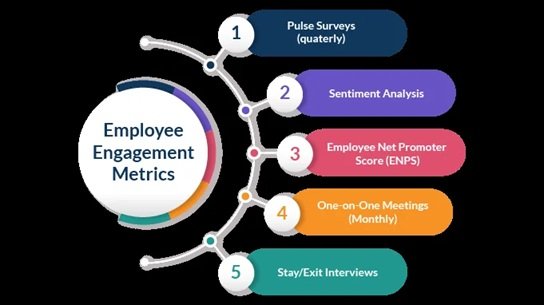
Traditional engagement surveys still matter. But today, they’re incomplete on their own. Engagement shows up in patterns: absenteeism after paydays, frequent sick leaves without follow-up care, or high attrition after appraisal cycles. These patterns only make sense when viewed through the lens of HR metrics that track health access, benefit usage, and financial stress indicators alongside performance data.
For small teams, this is especially critical. When you have 12 people, losing one sets you back months. Metrics help founders move from gut feeling to clarity.
Democratizing Healthcare Access For Small Teams
Until recently, meaningful health benefits were out of reach for companies with fewer than 20 employees. Annual premiums were steep. Customisation was limited. And the paperwork alone was exhausting.
Monthly healthcare subscriptions have changed that equation. Today, even a three-person startup can offer doctor consultations, medicine savings, and basic cover without locking capital for a full year. When founders track HR metrics around healthcare adoption; who is using teleconsults, how often OPD benefits are accessed, or whether preventive care is increasing; they gain early insight into engagement levels that surveys often miss.
Retention in a Market Tilted Toward Large Employers
Let’s be honest. SMEs can’t outpay MNCs. But they can out-care them.
When employees know they can speak to a doctor at night without worrying about cost, or save on medicines every month, loyalty builds quietly. Over time, this shows up in HR metrics tied to tenure, referral rates, and voluntary attrition. These numbers tell a story: people stay where they feel protected.
A real-world scenario: a 15-member digital agency in Pune noticed two resignations every year due to “personal reasons.” After introducing structured healthcare support and tracking usage alongside exit data, resignations dropped to zero the following year. Nothing else changed. Same salaries. Same workload. The difference was perceived security.
Financial Agility Beats Annual Commitments
For bootstrapped founders, cash flow is oxygen. Annual insurance premiums feel like holding your breath underwater. Monthly, pay-as-you-go healthcare models ease that pressure. They protect working capital while still offering employees real support.
When you connect financial planning dashboards with HR metrics such as benefit utilisation versus monthly cost, decision-making improves. Founders can see, in black and white, that employee health spending is predictable, controlled, and delivers returns through stability and lower churn.
Pro-tip for founders: Review healthcare usage every quarter, not every year. If utilisation is rising while attrition is falling, you’re investing in the right place, even if your revenue graph isn’t perfectly smooth yet.
What the Future Is Quietly Pointing Toward
India’s workforce is getting younger, more mobile, and more vocal about wellbeing. Engagement will increasingly be judged not by slogans, but by systems that work on a bad day. The companies that win won’t be the biggest. They’ll be the ones who listen to HR metrics, act early, and treat healthcare as infrastructure, not a perk.
As founders, we don’t need to copy MNC playbooks. We need to build smarter ones; grounded in empathy, backed by data, and designed for the realities of small teams. That’s how a healthier, more resilient Indian workforce will take shape over the next decade.
Refresh Date: March 13, 2026