






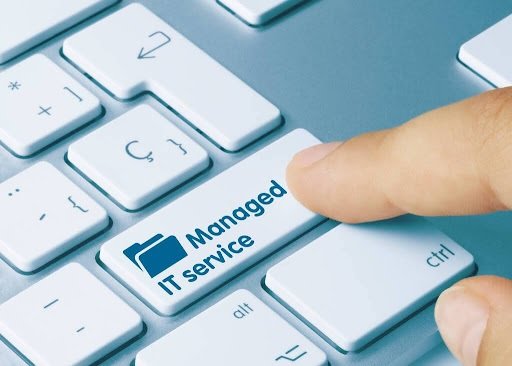
Boost your business with Top-Notch Managed IT Service Seamless and efficient operations guaranteed Experience the difference today!
Organisations across industries rely heavily on technology to maintain productivity, communication, and data integrity. Managed IT services deliver structured oversight that reduces system disruptions, supports consistent performance, and protects sensitive information. With expert teams handling technical concerns, internal staff can focus on operational goals rather than troubleshooting software or hardware concerns. Modern business environments require adaptable and dependable IT frameworks. Managed IT services address this demand by offering a broad selection of solutions such as network supervision, cybersecurity management, cloud infrastructure support, data protection planning, and help desk services. Through external oversight, companies gain access to up-to-date tools and professional guidance without building internal teams from the ground up. This approach supports operational continuity and positions organisations for steady progress in competitive markets.
Scope and Structure of Managed IT Services
Managed IT services encompass continuous monitoring, maintenance, and technical assistance across an organisation’s digital systems. These services often include infrastructure management, endpoint supervision, server maintenance, software updates, data storage coordination, and system performance analysis. Providers adapt service coverage according to operational size and complexity, offering tailored support that aligns with business requirements.
Core Components of a Managed IT Service
A complete managed IT service typically integrates several operational areas:
- Network administration and uptime monitoring
- Cybersecurity oversight and threat mitigation
- Cloud system configuration and maintenance
- Data backup coordination and recovery planning
- User support and technical troubleshooting
Each component functions as part of a unified support structure designed to maintain consistency across systems and reduce operational interruptions.
Benefits and Potential Challenges
Managed IT services deliver measurable advantages such as predictable costs, reduced system downtime, professional oversight, and improved security posture. Organisations gain access to specialised knowledge without long-term hiring commitments. Challenges may arise from reliance on third-party providers or concerns surrounding data governance, though these can be addressed through clear service agreements and transparent communication.
Managed IT Services and Business Operations Alignment
Technology’s Role in Operational Performance
Information technology underpins daily business functions, including communication, reporting, customer service, and data management. When systems operate reliably, teams perform tasks efficiently, and leadership gains clearer insights through accurate data access. Managed IT services support this alignment by maintaining stable infrastructure and addressing performance issues before they escalate.
Real-World Business Improvements Through Managed IT Services
Organisations that adopt managed IT services frequently experience smoother workflows and fewer service disruptions. Outsourced IT oversight reduces internal workload, allowing teams to concentrate on strategic initiatives. Businesses often report improved system uptime, faster issue resolution, and simplified scaling during periods of expansion.
Characteristics of High-Quality Managed IT Services
Defining Features of a Top-Tier Managed IT Service
A well-structured managed IT service typically demonstrates:
- Continuous system supervision
- Rapid response support channels
- Strong cybersecurity frameworks
- Customised service planning
- Scalable infrastructure support
- Transparent performance reporting
These qualities contribute to dependable IT operations across diverse business environments.
Why These Features Support Operational Efficiency
Proactive monitoring identifies issues before they disrupt workflows. Responsive support limits downtime and user frustration. Security oversight safeguards data assets, while tailored service planning aligns technology with operational priorities. Together, these features support consistent productivity and financial stability.
Leading Managed IT Service Providers
Overview of Established Providers
Global providers such as IBM, Accenture, and Wipro deliver managed IT services across sectors including finance, healthcare, logistics, and retail. Their offerings commonly cover cloud operations, infrastructure oversight, cybersecurity coordination, and enterprise system management. These firms combine technical depth with industry-specific expertise.

How Their Services Improve Business Performance
Top providers streamline operations by standardising processes, applying automation tools, and delivering real-time system insights. This structured approach improves resource allocation, reduces inefficiencies, and supports informed decision-making across leadership teams.
Selecting the Right Managed IT Service for Your Organisation
Evaluation Criteria for Managed IT Services
Choosing a managed IT service requires careful review of several factors, including provider experience, service range, response time standards, pricing transparency, and long-term scalability. Industry familiarity and proven performance history offer added confidence when forming service partnerships.
Practical Guidance for Decision-Making
Effective selection begins with a clear understanding of internal requirements. Engaging stakeholders from operations, finance, and leadership supports balanced decision-making. Reviewing service agreements, assessing support accessibility, and examining client feedback help organisations identify providers aligned with operational objectives.
Future Outlook for Managed IT Services
Expected Direction of Managed IT Services
Managed IT services continue to expand alongside cloud adoption, automation tools, and artificial intelligence integration. Providers increasingly focus on predictive monitoring, advanced security coordination, and adaptive infrastructure planning to support evolving business models.
Influence on Long-Term Business Operations
As organisations rely on flexible digital frameworks, managed IT services support operational agility and cost control. External IT partnerships allow businesses to respond more effectively to market shifts, technology updates, and regulatory demands while maintaining consistent service delivery.
Conclusion
Managed IT services provide organisations with structured technology oversight, consistent system reliability, and access to specialised expertise. By shifting technical responsibilities to experienced providers, businesses gain operational clarity and improved performance without internal resource strain. With tailored support models, scalable infrastructure solutions and proactive system management, managed IT services serve as a dependable foundation for sustained operational efficiency and long-term business stability.
Refresh Date: January 24, 2026