






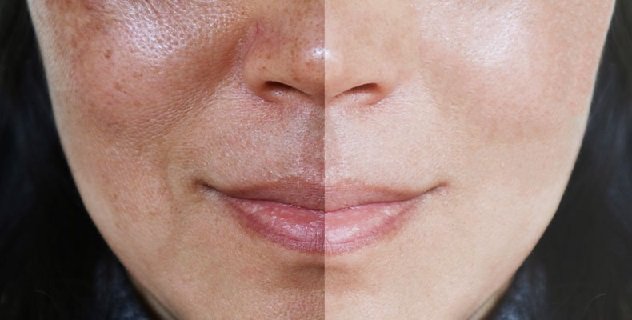
Pigmentation refers to areas of skin that appear darker than the surrounding skin due to excess melanin—the pigment that gives skin its colour. In Singapore’s sunny climate, pigmentation concerns are especially common. Whether caused by sun exposure, hormonal changes, acne scarring, or genetics, patches of uneven tone can be frustrating because they’re often difficult to address with skincare alone.
Many people find that topical creams and sunscreens help slow pigmentation, but deeper or more stubborn patches require professional attention. That’s where laser treatment for pigmentation Singapore has become a popular option. Laser technologies offer targeted, effective ways to lighten and improve pigmented areas with precision.
Why Sun Exposure and Other Factors Matter
Sun exposure is the leading trigger for pigmentation. Ultraviolet (UV) rays stimulate melanin production, and prolonged exposure without protection encourages pigment buildup over time. This results in dark spots and unevenness that are more noticeable in areas frequently exposed to sunlight, like the face, hands, and décolletage.
Hormonal shifts, such as those during pregnancy or from contraceptive use, can also lead to melasma—a pattern of pigmentation that appears as broad patches. Acne and inflammation can leave behind post-inflammatory hyperpigmentation, where dark marks linger long after blemishes have healed.
Because pigmentation comes from several different causes, treatment plans are often tailored to each person’s unique skin condition and history.
What Laser Pigmentation Treatments Do
Laser treatments for pigmentation work by directing concentrated light energy into the skin. The energy is absorbed by melanin (the pigment), which heats up and breaks down into smaller fragments. The body’s natural healing processes then remove this fragmented pigment over time, leading to a more even skin tone.
Unlike creams that sit on the surface, lasers can reach deeper pigment deposits without damaging surrounding tissue when administered by experienced professionals. This makes them highly effective for moderate to stubborn pigmentation that resists topical treatment.
Common Types of Pigmentation Lasers
There are several types of lasers used in Singapore for pigmentation treatment, and the right one depends on the depth and type of pigmentation:
Q-switched Lasers:
These deliver powerful, rapid pulses of energy that break pigment into tiny particles. They’re widely used for sun spots, freckles, and post-inflammatory marks.
Fractional Lasers:
These work by treating tiny columns of skin with laser energy, encouraging natural skin regeneration while improving overall tone and texture. They’re often used for mixed concerns like pigmentation and fine lines.
Picosecond Lasers:
These emit ultra-fast energy bursts that shatter pigment more efficiently and with less heat, reducing downtime. They are effective for stubborn dark spots and some types of melasma.
An experienced practitioner will assess your skin and recommend the most suitable laser type for your pigmentation pattern.
Tailored Treatment Plans
No two pigmentation concerns are exactly alike. A customised plan typically includes a detailed skin assessment, discussion of your medical and sun exposure history, and expectations for results.
To maximise effectiveness, clinics may combine laser sessions with complementary therapies such as chemical peels or targeted skincare regimens. This multi-angle approach helps manage pigment at different layers of the skin.
What to Expect During Treatment
Laser pigmentation sessions are generally quick, often completed within 20–30 minutes depending on size and area. Before the procedure, a numbing cream may be applied for comfort. Many people describe mild warmth or a snapping sensation during treatment, which is usually well tolerated.
Downtime varies by laser type. Some treatments have minimal redness immediately after, while others may involve mild swelling or temporary darkening of spots as they break down—this is normal and indicates the process is working. Most people can return to regular activities shortly after treatment with appropriate aftercare.
Importance of Sun Protection
After laser treatment, the skin becomes more sensitive to UV exposure, making sun protection vitally important. Daily use of broad-spectrum sunscreen, hats, and UV-protective clothing helps prevent new pigmentation from forming and supports lasting results.
Without consistent sun protection, treated areas can darken again, diminishing the benefits of the procedure. This makes sun safety an essential part of any pigmentation-focused plan.
Results and Maintenance
Pigmentation improvement usually appears gradually over several weeks as the body clears pigment deposits. Multiple sessions are often recommended for optimal results, with intervals determined by the practitioner based on your skin’s response.
Maintenance treatments may be advised every few months or annually, depending on individual sun exposure and how the skin ages over time.
Choosing a Qualified Provider
Because skin health and pigmentation vary greatly among individuals, choosing a reputable clinic with experienced professionals is crucial. A good provider will perform a thorough skin assessment, explain the risks and benefits of each option, and tailor a plan that suits your specific pigmentation type and lifestyle.
Ask about:
- Laser type and suitability for your skin tone
- Number of recommended sessions
- Expected improvements and realistic outcomes
- Aftercare guidance and support
This ensures both safety and confidence in the process.
Conclusion
Laser treatment for pigmentation in Singapore has become a trusted solution for addressing stubborn dark spots and uneven skin tone, especially in a tropical environment. With targeted laser energy, personalised plans, and professional guidance, many people achieve clearer, more even skin with results that topical products alone often cannot provide.
Combining laser therapy with diligent sun protection and proper skincare empowers you to manage pigmentation proactively and enjoy smoother, brighter skin that reflects your best self.
Refresh Date: January 19, 2026