




Energy independence has become a practical goal for households seeking stability, lower costs, and greater control over daily life. Rather than relying entirely on the grid, many homes now aim to produce, store, and manage their own power in a balanced way. True independence does not mean abandoning comfort, but aligning energy systems with real household needs. Achieving this requires careful planning across generation, storage, and usage habits. In this article, the essential components of true home energy independence are explained in a clear and practical way.
1. Enough Renewable Energy Generation
Solar panel system sized for your full usage
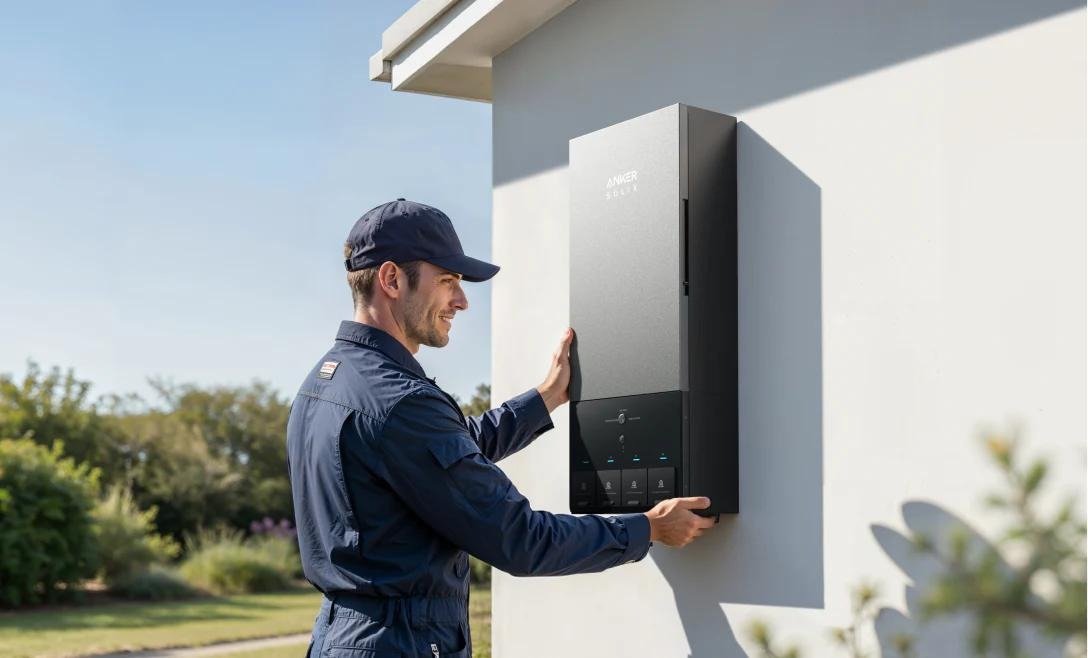
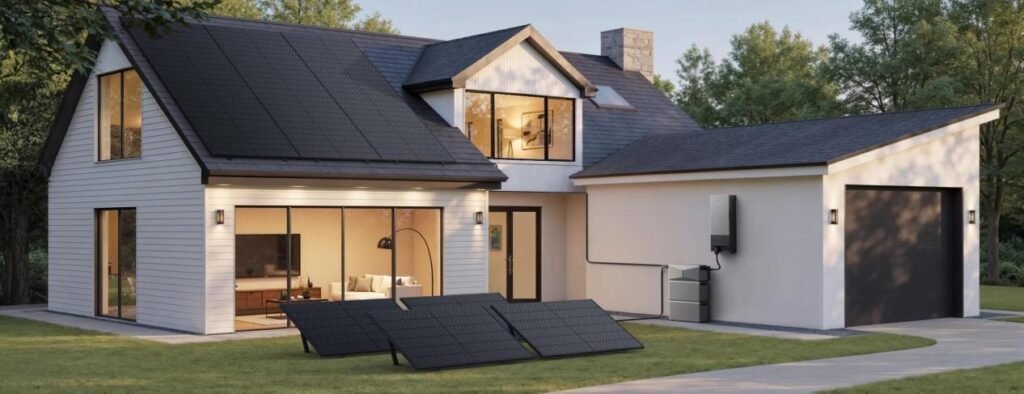
A solar panel system must be sized to match actual household consumption, not just average estimates. Daily routines such as cooking, cooling, laundry, and remote work all influence total demand, and underestimating usage can limit independence. Homes aiming for full coverage often pair larger solar arrays with a solar battery that captures excess daytime production. Some whole-home energy systems, such as Anker SOLIX E10, are designed to support high solar input levels while covering full household circuits, allowing generated power to be used more effectively throughout the day and night. When solar capacity aligns with real usage, renewable energy becomes a dependable foundation rather than a supplemental feature.
Consider wind or other sources as backup
Solar energy is highly reliable over the year but can vary daily due to weather. In some regions, adding wind or other small-scale renewable sources helps balance seasonal differences. These complementary sources can reduce pressure on batteries during extended cloudy periods. While not necessary for every home, diversification increases resilience. The goal is to maintain steady generation without excessive oversizing of any single system.
2. Large-Scale Energy Storage
Battery bank to cover several days without sun
Energy storage determines how long a home can function independently when generation drops. A battery bank sized for several days of normal usage provides flexibility during storms or winter months. This capacity allows households to maintain regular routines instead of rationing electricity. Modern battery systems can scale over time as needs change, supporting gradual transitions toward independence. Storage transforms renewable energy from an intermittent resource into a reliable daily supply.
Backup generator for extreme situations
Even well-designed renewable systems can face rare but challenging conditions. A backup generator offers reassurance during prolonged low-generation periods. When integrated properly, it operates only when needed, preserving fuel and minimizing disruption. This layered approach prevents single points of failure. Energy independence becomes more practical when backup options exist without dominating daily operation.
3. Smart Energy Management
Monitor and control your usage in real time
Understanding how and when energy is used is essential for independence. Real-time monitoring helps households identify peak consumption and unnecessary waste. With clear data, adjustments become straightforward rather than guesswork. Smart controls can shift usage to periods of high generation automatically. This awareness turns energy management into a routine habit instead of a constant concern.
Upgrade to high-efficiency appliances and lighting
Efficient appliances reduce the total energy required to maintain comfort. LED lighting, modern HVAC systems, and efficient refrigeration all contribute to lower daily demand. These upgrades often pay off quickly by reducing the size and cost of generation and storage systems. Over time, efficiency simplifies independence by narrowing the gap between supply and demand. Small improvements across the home create meaningful cumulative benefits.
4. Robust Electrical System
Specialized inverters for off-grid operation
Off-grid or hybrid homes rely on inverters capable of handling variable inputs and outputs. These components must manage solar production, battery discharge, and household loads seamlessly. Systems designed for whole-home use can handle high-demand appliances without interruption. Smooth transitions prevent damage to electronics and maintain comfort. Reliable inverters form the backbone of a stable energy system.
Safe, dedicated wiring and disconnects
Safety is a core requirement for any independent energy setup. Dedicated wiring and proper disconnects protect both occupants and equipment. Professional installation ensures compliance with electrical standards and reduces long-term risk. Clear system design also simplifies maintenance and future upgrades. A well-structured electrical system supports independence without compromising safety.
5. Lifestyle Commitment
Adjust habits to match energy availability
Energy independence works best when daily habits align with generation patterns. Running energy-intensive tasks during sunny hours maximizes solar use. Small adjustments, such as timing laundry or charging devices strategically, reduce strain on storage. These changes do not reduce comfort but enhance efficiency. Over time, they become part of a natural routine.
Perform regular system maintenance
Independent energy systems require consistent attention to remain reliable. Periodic inspections of panels, batteries, and connections prevent minor issues from becoming major problems. Maintenance schedules help extend equipment lifespan and performance. Staying proactive reduces unexpected downtime. A well-maintained system rewards households with steady, predictable operation.
Conclusion
True home energy independence is built through thoughtful integration of renewable generation, storage, and daily habits. Adequate solar capacity, reliable storage, and smart management create a balanced system that supports modern living. Rather than sacrificing comfort, independence enhances control and resilience. With careful planning and realistic expectations, households can rely more on clean energy every day. Energy independence becomes not an ideal, but a practical and sustainable way of life.
Refresh Date: February 12, 2026