




You don’t really notice it at first. The body feels fine, then suddenly it doesn’t. Sleep gets weird. Emotions too. One minute you’re okay, next minute everything feels a bit too loud, too fast, or just off in a way you can’t explain. And when people start looking for answers, they often end up reading up information on how to wean off 7OH, trying to make sense of what their body is doing. Truth is, what’s happening goes deeper than just stopping something. It’s your nervous system trying to find its balance again, and it doesn’t happen quietly.
Why the Nervous System Becomes Dysregulated
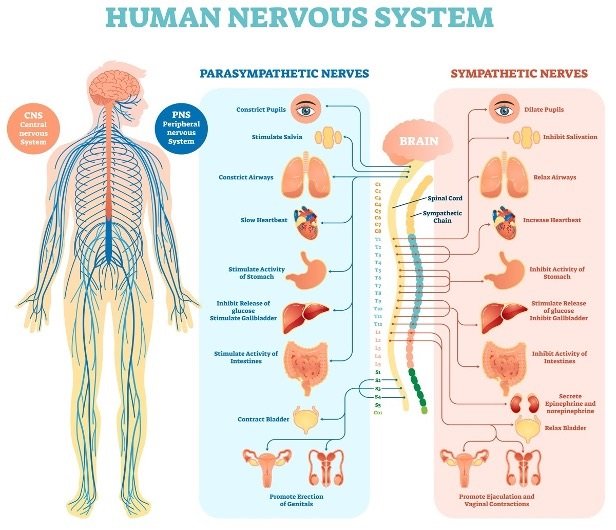
Your nervous system is like an internal control room. It handles stress, calm, alertness, even your mood. When a substance has been part of that system for a while, the body adjusts around it. It learns it. Depends on it a bit.
Then it’s gone or reduced. And things feel off.
Signals don’t fire the same way anymore. Stress responses become louder. Or sometimes dull. Your moods might shift quickly between exhilarated and exhausted; not because anything wrong was done but simply due to your body adjusting its own rhythms.
Your body appears to have forgotten how to sit still on its own. But it didn’t forget. It’s just relearning.
Signs Your Nervous System Is Rebalancing
You notice it in small things first. Maybe you wake up tired even after sleeping. Or you can’t sleep at all. Both happen, sometimes in the same week.
Your mood shifts fast. You get irritated over small things. A message. A noise. Even silence sometimes feels uncomfortable.
Then there’s the mental fog. You read something and forget it immediately. Or you start a task and just stop halfway without knowing why.
Your body also joins in. Tight shoulders. Restless legs. A strange feeling like you need to move but don’t know where to go. It can feel confusing.
The Body-Mind Feedback Loop
Your body and mind don’t work separately. They talk to each other all the time.
If you don’t sleep well, your emotions get sharper. If you don’t eat properly, your patience gets shorter. If you’re stressed, your body tightens up. And then that tension creates more stress. It becomes a loop. And sometimes you don’t even know where it started.
You might think it’s all mental. Or all physical. But it’s both, playing off each other. That’s why some days feel manageable and others feel like everything is too much at once. Still, small things help. Even if they feel too simple to matter.
What Helps the Nervous System Stabilize Naturally
You don’t need big changes. Honestly, small ones work better. Walking helps. Even slow walking. It tells your body it’s safe. Breathing helps too, even when it feels pointless at first. Just slowing things down a bit.
Sleep is important, but don’t force it. Let it come back gradually. And food… simple meals. Nothing complicated. Just something steady for your body to hold onto.
Also, try not to overload your mind. Too much noise, too many screens, too many thoughts at once. It all adds up more than you think. You’re not fixing yourself. You’re just giving your system space to settle.
Why Recovery Feels Non-Linear
This is the part people don’t expect. One good day doesn’t mean you’re healed. And one bad day doesn’t mean you’re going backwards. It moves in waves. Up and down. Sometimes smooth, sometimes messy.
You might feel normal in the morning, then off again by evening. That doesn’t mean failure. It just means your system is still adjusting. It’s a bit frustrating, yeah. But also normal. More normal than people talk about.
Conclusion
At some point, things start to feel less sharp. Not perfect, just less chaotic. Your nervous system slowly finds its rhythm again, even if you don’t notice it happening day by day. The emotional swings ease up. The fog lifts a little. And you start feeling more like yourself, in small pieces. It also shapes your emotions, your thoughts, and your reactions. That’s why many people seek to understand withdrawal and mental health, because it helps connect the dots between what the body is doing and what the mind is feeling.
Refresh Date: April 4, 2026