







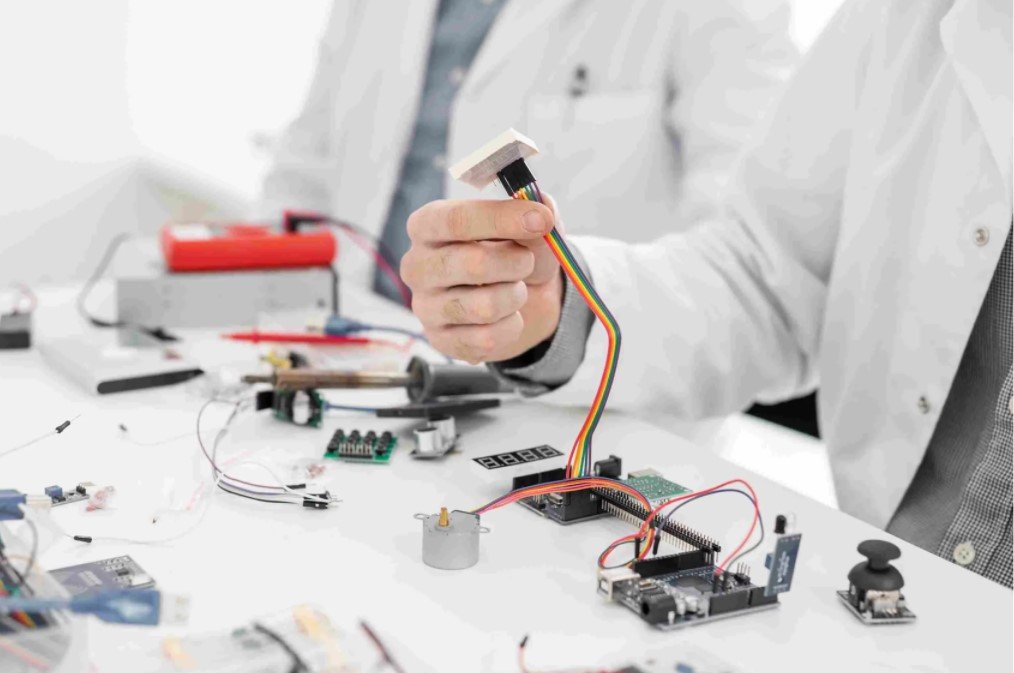
The field of electrical engineering continues to grow rapidly as technology evolves and industries rely more heavily on automation, power systems, renewable energy, electronics, and smart devices. As competition increases, students need more than academic qualifications to stand out. This is where Electrical Engineering Internships become a crucial stepping stone for future professionals. These internships provide real-world knowledge, hands-on training, industry exposure, and the technical confidence needed to transition from university to the engineering workforce.
For many emerging engineers, the journey from studying theory to applying skills in practical environments can be challenging. However, structured opportunities such as electrical engineering internships for students significantly ease this transition. By working alongside experienced professionals, interns learn industry expectations, workplace procedures, and the technical demands of real engineering projects. This article explores why these internships are essential, what skills they develop, and how they support long-term career success.
The Importance of Electrical Engineering Internships in Today’s Job Market
Employers in Australia and globally now expect graduates to have practical experience before entering the workforce. Engineering companies want job-ready employees who understand workplace safety, technical documentation, equipment handling, and project collaboration. Electrical Engineering Internships help students build this foundation by combining academic learning with practical industry experience.
Internships demonstrate a student’s commitment to professional development. They provide valuable insights into how electrical systems are designed, tested, improved, and maintained. Whether the intern is interested in telecommunications, automation, power distribution, electronics, or renewable energy, internships open doors to a variety of industry pathways.
How Internships Bridge the Gap Between Theory and Practical Engineering
Electrical engineering is a detail-oriented field. Concepts taught in university—such as signal processing, circuit design, power systems, and electronics—must be applied accurately in real-world environments. Internships allow students to see how these concepts translate into practical tasks.
Interns often assist with:
- Circuit analysis and testing
- CAD electrical designs and modelling
- Data collection and reporting
- Equipment installation or maintenance under supervision
- Safety assessments
- Troubleshooting simple electrical issues
Through such activities, students build competence, learn to use industry-standard software, and observe how professional engineers solve complex problems.
Key Skills Developed Through Electrical Engineering Internships
Internships help students gain a diverse set of skills that go beyond technical knowledge. These include both hard and soft skills that contribute to long-term career success.
1. Technical Competence and Equipment Handling
Interns learn to work with tools, testing devices, and electrical systems that they may not have encountered during their university studies. This practical experience helps them understand technical specifications and system behaviour more effectively.
2. Understanding Compliance and Safety Standards
Electrical engineering work must align with strict national standards and safety protocols. Interns gain knowledge of workplace safety rules, risk assessments, and electrical compliance procedures, helping them become responsible professionals.
3. Communication and Team Collaboration
Internships expose students to teamwork involving engineers, contractors, project managers, technicians, and stakeholders. Effective communication becomes essential as interns share updates, prepare reports, and participate in meetings.
4. Problem-Solving and Critical Thinking
Real projects often present unexpected challenges, such as equipment faults, design adjustments, or environmental constraints. Interns learn how to analyse issues and contribute to safe and practical solutions.
5. Time and Project Management
Interns observe how tasks are prioritised, organized, and executed within strict deadlines. This exposure helps them build discipline and develop good project management routines.
What Electrical Engineering Internships Typically Include
Real-World Project Exposure
Interns may work on renewable energy setups, power distribution projects, automation systems, telecommunications infrastructure, or electronic product development. Exposure to real industry work gives students a deeper understanding of how engineering decisions affect project timelines and system performance.
Professional Mentoring
Internships include guidance from skilled engineers who share technical knowledge, review intern work, provide feedback, and help refine performance. This mentorship is invaluable for early career growth.
Software Training
Interns often receive hands-on training in industry software such as:
- MATLAB
- AutoCAD Electrical
- PLC programming tools
- SCADA systems
Learning these tools gives students a competitive edge.
Office and Field Experience
Electrical engineering involves both desk-based tasks and onsite work. Interns experience both environments, allowing them to understand documentation processes, stakeholder communication, and fieldwork responsibilities.
How Internships Influence Long-Term Career Success
Improved Employability
Students with internship experience stand out in the job market. Employers recognise that these candidates have practical skills, workplace exposure, and readiness for entry-level engineering roles.
Development of a Professional Network
Internships allow students to build connections with engineers, supervisors, and industry representatives. These relationships can lead to job referrals, recommendations, and early career opportunities.
Clarity on Career Pathways
Electrical engineering offers many specialisations. Internships help students decide whether they want to pursue roles in power engineering, automation, electronics, control systems, robotics, renewable energy, or ICT.
Confidence and Professional Growth
By working in real engineering environments, interns develop confidence and become more independent. They learn how to ask the right questions, communicate effectively, and handle responsibilities safely.
Industry Trends Driving the Need for Internships
Several emerging trends are increasing demand for skilled electrical engineers, making internships more relevant than ever:
- Growth in renewable energy and solar power systems
- Increased automation in industries
- Expansion of smart technologies
- Higher demand for efficient energy systems
- Investment in telecommunications and infrastructure upgrades
Internships expose students to these evolving technologies and help them stay competitive.
Additional Insight: How Custom Printing Helps Brands Stand Out
Although unrelated to engineering, many internship or career-focused publications include broader business insights. Custom printing is one such topic. Companies across industries use custom-printed materials such as branded uniforms, promotional items, packaging, and signage to improve visibility. Just as internships help students stand out in the job market, custom printing helps brands establish recognition, reinforce identity, and create a professional image in competitive industries.
Choosing the Right Internship Opportunity
When exploring electrical engineering internships for students, it is important to evaluate opportunities carefully. Students should consider:
- Whether the internship matches their preferred engineering pathway
- The type of mentoring offered
- The company’s reputation and industry connections
- Exposure to real engineering projects
- Chances of long-term employment or graduate roles
- Whether the workplace culture encourages learning
Choosing the right internship ensures meaningful growth and valuable experience.
Challenges Students May Face and How Internships Help Overcome Them
Lack of Practical Exposure
Many students struggle with applying theoretical concepts. Internships provide the hands-on experience needed to build confidence.
Adapting to Workplace Culture
Internships help students understand professional expectations, communication styles, and team collaboration.
Managing Time and Deadlines
Students learn how to prioritise tasks, adapt to project timelines, and deliver work consistently.
Understanding Real Engineering Constraints
Engineering solutions often need to balance time, cost, safety, and performance. Internships show students how to approach these challenges with practical reasoning.
Why Electrical Engineering Internships Are a Long-Term Investment
Participating in electrical engineering internships for students is more than a temporary work experience. It is an investment in professional development. The skills learned during an internship continue to benefit students throughout their careers. Employers value graduates who have already demonstrated initiative, adaptability, and technical competence.
Conclusion
Electrical engineering is a field where innovation, safety, and precision are essential. To succeed, students must go beyond academic knowledge and gain practical, industry-based experience. Electrical Engineering Internships provide this opportunity by offering real project exposure, mentorship, skill development, and workplace learning. Through well-structured electrical engineering internships for students, emerging engineers can build a strong foundation that prepares them for long-term career success.
Refresh Date: February 28, 2026