






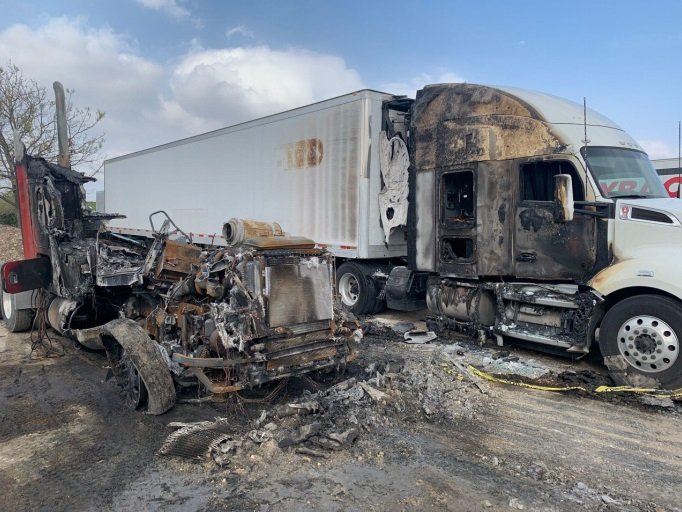
A semi truck crash does not just leave damage behind. It leaves questions, paperwork, and a long trail of responsibility that few people expect. That paper trail decides what happens next, not the crash’s noise or the vehicle’s size. Evidence becomes the quiet force that controls everything that follows.
Large truck accidents are handled very differently from regular car crashes. The more people get involved, the more records exist, and the more money is at stake. This is why a semi-truck crash injury is rarely resolved by simple conversations or quick agreements.
This blog explains why evidence carries so much weight in these cases and how it shapes outcomes from the very beginning.
Semi Truck Accidents Are Not Ordinary Road Cases
Truck accidents operate under a different system. Commercial vehicles follow strict rules that do not apply to passenger cars. These rules affect how drivers work, how trucks are maintained, and how cargo is handled. Each rule creates documents, logs, and digital records.
In a lawsuit, those records often matter more than opinions. A strong claim depends on showing what happened through proof, not assumptions. Without proper evidence, even serious injuries can face delays or challenges.
Multiple Parties Increase the Need for Clear Proof
Truck accidents rarely involve just two people. Drivers, trucking companies, cargo loaders, maintenance crews, and insurers may all play a role. Each party may try to shift responsibility away from itself.
Evidence connects actions to outcomes. It shows who made decisions, who followed rules, and who failed to do so. Without solid proof, responsibility becomes unclear, and claims grow weaker.
Commercial Trucks Produce More Data Than Cars
Modern trucks record far more information than most drivers realize. Electronic logging devices track driving hours. Vehicle systems record speed, braking, and engine performance. Dispatch systems store routes and instructions.
This data can confirm or challenge what drivers and companies say after a crash. It often reveals patterns that explain why an accident happened. Losing access to this data can mean losing clarity.
Physical Evidence Does Not Last Long
Road evidence fades quickly. Skid marks disappear. Debris gets cleared. Weather and traffic change the scene within hours. Vehicle damage may be repaired or removed before it is fully documented.
Photos, measurements, and early inspections preserve details that cannot be recreated later. Without them, arguments become weaker and easier to dispute.
Trucking Companies Control Key Records
Many of the most important records are kept by trucking companies. Maintenance logs show whether a truck was safe to operate. Training records reveal if a driver was properly prepared. Inspection reports document known problems.
Delays in requesting these records can lead to missing or incomplete information. Strong cases depend on acting before records are lost or overwritten.
Regulations Add Weight to Evidence
Commercial trucks follow strict safety rules. These rules cover driving hours, vehicle inspections, weight limits, and cargo security. Breaking these rules can show negligence.
Evidence proves whether rules were followed. Logbooks, inspection forms, and compliance records turn regulations into accountability. Without documentation, rule violations are harder to establish.
Witness Statements Strengthen Claims
Witnesses provide independent views of what happened. Their statements can support timelines, confirm road conditions, and clarify driver behavior. First responders also record important details in official reports.
Consistent accounts from witnesses help stabilize a claim. Conflicting or missing statements give insurers room to argue.
Medical Records Link Injuries to the Crash
Medical documentation connects injuries to the accident. Treatment notes, diagnostic tests, and follow-up visits show the full impact of the crash. Gaps in care raise questions that insurers often use to challenge claims.
Clear medical records protect injured people from having their pain minimized or dismissed. They also show how injuries affect daily life and recovery.
Insurance Disputes Focus on What Is Missing
Insurance companies study gaps closely. Missing records, unclear timelines, or incomplete documentation become tools to reduce payouts. They focus less on what happened and more on what cannot be proven.
Strong evidence limits these tactics. It keeps discussions focused on facts rather than assumptions.
One Area Where Mistakes Often Happen
Many people do not realize how quickly evidence-based decisions matter. Common missteps include:
• Delaying documentation
• Failing to request records early
• Overlooking digital data
• Relying only on verbal accounts
Avoiding these mistakes helps protect claims from unnecessary challenges.
Why Evidence Determines Fair Outcomes
Semi truck lawsuits are built on proof. Evidence creates balance in a system where large companies hold resources and control information. It allows injured people to stand on equal ground.
In cases involving serious harm, such as a semi-truck crash injury, evidence often decides whether a claim reflects reality or falls short of it.
Closing Note
Evidence is not paperwork for paperwork’s sake. It is protection. It tells the full story when voices compete and interests collide. In semi truck accident lawsuits, the strength of evidence often determines how fairly responsibility is assigned.
Clear records, early documentation, and consistent medical proof allow claims to stand firm. Evidence does not just support a case; it defines it.
Refresh Date: January 30, 2026