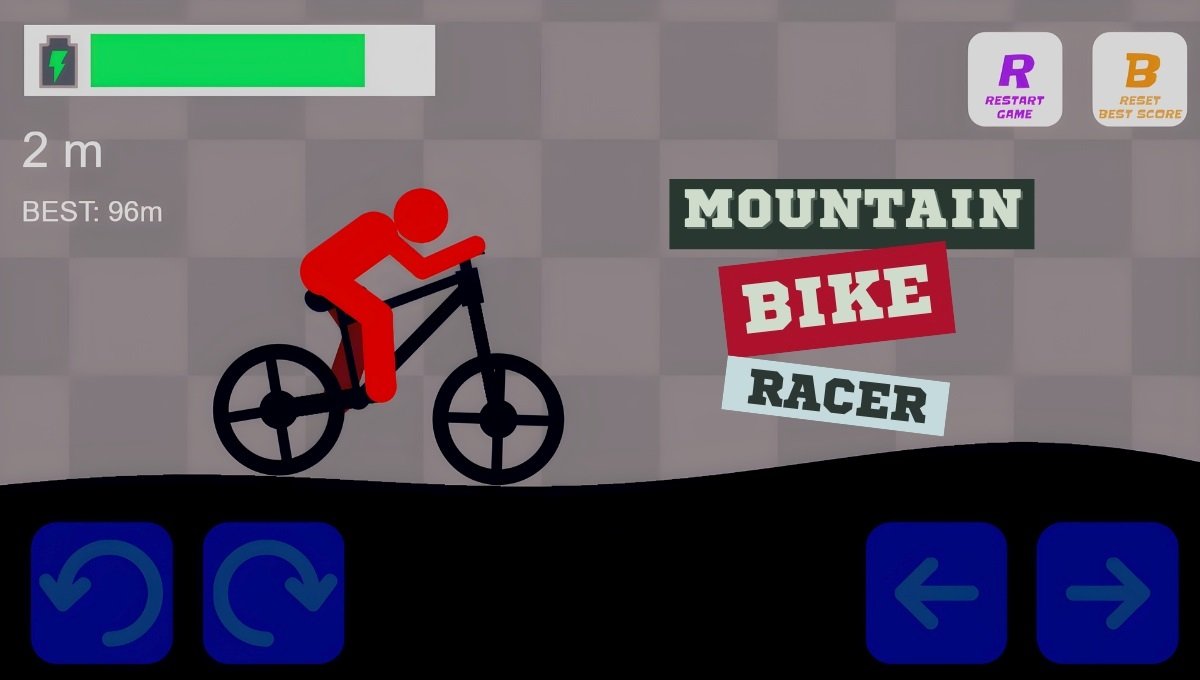


Modern players don’t always “sit down to play” anymore. They squeeze play into life: a two minute break, a commute, a boring Zoom call (allegedly), halftime, the queue at the store. That shift is why quick formats keep exploding.
Open any platform offering instant games online and the intent is obvious: fewer clicks, faster outcomes, less setup. But does that mean classic games are losing? Not even close. They’re just being used differently now.
First, define the two camps (because marketing muddies it)
What counts as a fast or instant game?
Instant games are built for short sessions and rapid results. Minimal story, minimal onboarding, minimal waiting. The payoff arrives quickly, and the next round is one tap away.
Common traits:
- Quick rounds (often seconds, not minutes)
- Simple rules that are readable at a glance
- Low commitment, easy exit
- Strong feedback loops (sound, animation, instant results)
What counts as a classic game?
Classic games are the “sit down and stay a while” formats. They can still be quick per round, but they usually involve more structure: bonus rounds, deeper mechanics, more narrative, more choice, or more steps per session.
Think in terms of:
- Longer engagement arcs
- More variety in outcomes and features
- A sense of progression or “journey”
- Higher tolerance for learning and exploration
The point is not which is better. The point is what mood and moment a user is in.
The real driver: time, attention, and mental energy
Fast games win when:
- time is tight
- the brain is tired
- the user wants a quick hit of excitement
- the user is multitasking
Classic games win when:
- there’s time to settle in
- the user wants immersion
- the experience matters as much as the outcome
- the player is in “explore mode”
Why instant games feel so addictive (and why that’s not always a compliment)
The dopamine math is simple
Short cycle games create more “decision and result” moments per minute. More cycles means more stimulation in less time.
Less friction equals more repetition
If it takes zero effort to start, it takes zero effort to repeat. That can be great for casual play and terrible for self-control. A well designed platform provides tools: limits, reminders, and transparent session history.
Classic games still win on emotion (yes, even in 2026)
Instant games are great at urgency. Classic games are great at attachment.
Why do users stick with classic formats?
- Familiarity
- Ritual
- Depth
- Identity
Classic doesn’t mean old. It means the experience has layers.
What users choose depends on the moment, not the person
The same user can be two different users depending on the day:
- During a commute, instant wins.
- After dinner, classic wins.
- When bored and restless, instant wins.
- When looking to unwind slowly, classic wins.
The UX difference: instant needs clarity, classic needs navigation
UX must-haves for instant games
- One clear call to action
- No forced tutorials unless necessary
- Fast loading and lightweight visuals
- Results readable instantly
UX must-haves for classic games
- Strong categorization
- Search that works
- Consistent game pages with clear info
- A “continue playing” row
Two patterns that show up across platforms
Pattern 1: Instant games as “warm-up”
Players dip into a fast format first, then move into a longer session game. Smart lobbies surface instant options early.
Pattern 2: Classic games dominate when discovery is fun
Better filters mean more classic play. Clunky browsing pushes users back to quick formats.
What a good platform does: let users switch modes without friction
Practical design ideas:
- A dedicated “Quick Games” entry
- Clear label system (time per round, volatility, features)
- Smart suggestions like “2 minute picks” or “long session favourites”
- Session controls accessible from any game type
A quick guide for users: picking the right format without overthinking it
Ask:
- How much time is available?
- Is the goal distraction or unwind?
- Is patience low or high today?
- Is simplicity or depth preferred?
Quick cheat sheet
- Choose instant when time is short, attention is scattered, or a quick result is the point.
- Choose classic when there’s time to browse, settle in, and enjoy the ride.
The business angle (because it shapes what users see)
Platforms push instant games because they convert easily. But overloading with quick formats can backfire. Classic games help with longer sessions, loyalty, and repeat visits.
A healthy ecosystem has both. The platform that wins long term balances quick satisfaction with deeper experiences, while keeping UX clean and safety tools obvious.
So, what are users choosing?
Users are choosing both. Instant games are the go-to for micro-moments. Classic games are the go-to for leisure time. The platforms that understand this don’t argue about which format is “the future.” They build an interface that recognizes the user’s current mood and makes the next good choice easy.
Because modern digital entertainment is not a single destination, but a flexible companion that fits the day.
Also Read: Exploring the Differences Between Color Game Live on GameZone and Traditional Tables
Refresh Date: May 7, 2026