
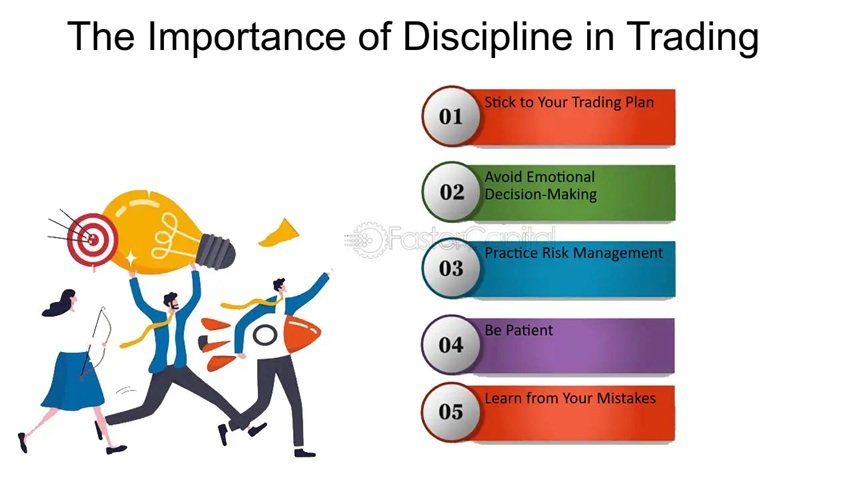
In the early stages, trading tends to feel engaging for most participants. Screens light up, prices move quickly, and opportunities seem to appear everywhere. But over time, many traders realise that markets reward behaviour more than prediction. Discipline keeps you from acting on impulse. And this is what risk management is all about.
A positive risk management plan protects you when the market moves against you. Together, they decide how long you survive and how steadily you grow.
Most losses do not come from lack of knowledge. They come from breaking rules under pressure. This guide explains why structure matters more than speed, and how small habits shape long-term results. Read this guide to understand what truly separates consistent traders from short-term winners, including lessons followed by the best trader in the world.
Why Discipline Matters More Than Strategy
Most traders believe the right strategy will fix their results. In reality, the same strategy produces very different outcomes for different people. The difference is discipline. Below are the real reasons discipline matters more, explained the way it plays out in actual trading.
1. Discipline Controls Your Reactions, Not the Market
Markets move fast. And at times, it moves in a direction which you do not expect. Discipline helps you respond calmly. It ensures that you avoid the emotions while you trade. You wait for your setup, follow your rules, and accept outcomes without forcing trades. This control protects you from panic entries and emotional exits.
2. Discipline Keeps You Consistent Across Good and Bad Days
Every trader has winning and losing phases. Discipline ensures your position size, entries, and exits stay the same regardless of recent results. Without discipline, traders often increase risk, especially after wins or while trying to recover from losses, which harms long term performance.
3. Discipline Turns a Strategy Into a Repeatable Process
The success of a strategy is dependent on proper and uniform execution. Applying the same rules at all times eliminates the influence of feelings on decision making. With discipline, the planned trades are made without alterations caused by fear or thrill. This uniformity aids traders in spotting clearly over time what is profitable and what is not.
4. Discipline Limits Damage During Losing Trades
Losses in trading are unavoidable, but they can be controlled with clear rules. Predefined exits make certain that trades are stopped when the limits are hit, regardless of the emotional pressure that may be pushing you to stay in longer. This way, the losses remain under control and a single unfavorable trade does not wipe out weeks of gains.
5. Discipline Builds Trust in Your Own System
Following rules can help you to avoid the losses and build a good rapport. You start to trust the market and your knowledge. This helps to reduce stress, improves focus, and allows better decision-making over time. And when you have confidence, you will end up with better trades over time.
Understanding Risk Management Beyond Stop Losses
Risk management is often reduced to placing a stop loss. In reality, it is a broader mindset about survival and control. It decides how much you risk, how often you trade, and how you protect capital during uncertain phases. Below is a clearer breakdown of what strong risk management actually involves.
1. Defining Risk Before Entering a Trade
Risk is decided before the trade begins, not after price moves. This includes how much capital you are willing to lose if the trade fails. Pre-defining risk removes emotional decision-making once the trade is live.
2. Position Sizing Based on Capital, Not Confidence
Strong setups do not deserve higher risk. Position size should stay linked to account size, not how confident you feel. This keeps losses predictable and prevents sudden drawdowns.
3. Accepting That Losses Are Normal
Risk management works only when losses are accepted calmly. Traders who fight losses often widen stops or hold bad trades longer. Controlled exits protect both capital and mindset.
4. Limiting Exposure Across Trades
Taking too many correlated trades increases hidden risk. Proper risk management spreads exposure. This also helps to avoid stacking similar bets in the same direction.
5. Staying Solvent Long Enough to Improve
Skill develops over time. Risk management ensures you stay in the market long enough for learning to compound. This is a lesson often shared by many top traders in India who prioritise capital protection over short-term gains.
Lessons from Top Traders and What Their Strategies Teach Us
If you spend time reading interviews or listening to market veterans, one thing becomes clear. They all trade differently. Yet, the way they think about risk, patience, and decision-making feels familiar. Their real edge lies in behaviour, not clever tricks. Here is what some well-known traders actually teach us through their actions.
1. Rakesh Jhunjhunwala
Rakesh Jhunjhunwala was known for backing his ideas with strong belief. And all that belief came from deep work. He did not rush in and out of trades. He stayed invested when volatility tested his patience. The biggest takeaway from his approach is learning to sit tight when your reasoning remains intact. Many traders exit too early because price movement feels uncomfortable, not because the idea is wrong.
2. Radhakishan Damani
Damani built his success by keeping things simple. He avoided noise, shortcuts, and businesses he could not clearly understand. Instead of trying to win every opportunity, he focused on avoiding obvious mistakes. His journey reminds traders that saying no is often more powerful than saying yes. Capital protection starts with staying away from trades you do not fully trust.
3. Ashish Kacholia
Ashish Kacholia is known for spotting growth early. But he does not rely on excitement alone. His trades are backed by research and sensible exposure. He balances optimism with caution. The lesson here is not to confuse potential with certainty. Good ideas still need controlled risk, otherwise future promise can turn into present damage.
4. Vijay Kedia
Vijay Kedia often stresses the importance of staying calm, especially during emotionally charged market phases. His approach shows long-term thinking and mental balance. Instead of reacting to short-term price changes, he focuses on the overall business and market landscape. This demonstrates how emotional stability and clear thinking help protect profits during good times and reduce losses during tough periods.
5. Paul Tudor Jones
Paul Tudor Jones built his career around one strong belief. Protect capital first. He is known for cutting losses quickly and never letting ego control trades. His style shows that survival is the real goal in trading. Profits follow only when risk is respected. This mindset explains why disciplined risk management allows traders to stay active for decades.
How You Can Apply These Lessons in Your Own Trading
Learning from top traders only helps when those lessons are applied in daily decisions. You do not need their capital or experience to follow their principles. You need structure and honesty with yourself.
1. Build Rules Before You Trade
Decide entry, exit, and risk limits when the market is calm. Rules created during live trades are usually emotional and unreliable.
2. Focus on Capital Protection First
Think in terms of staying in the market, not winning every trade. When capital is protected, opportunities keep coming.
3. Keep Position Size Boring and Consistent
Avoid increasing risk after wins or trying to recover losses quickly. Consistent sizing keeps emotions stable.
4. Review Decisions, Not Just Results
A losing trade taken correctly is still a good trade. A winning trade taken impulsively is a warning sign. Review behaviour, not only profit.
5. Accept That Progress Is Slow
Most successful traders grew steadily, not explosively. Slow improvement with discipline lasts longer than fast gains without control.
These habits may feel simple, but they are not easy. But if you try and work on them, you will eventually gain them.
Conclusion
Trading success is rarely about finding the smartest strategy. But it is about discipline, knowledge, and managing the risk as well. Traders who respect these two principles survive bad phases and grow steadily during good ones. Over time, this balance creates consistency, not luck.
FAQ’s
A1. Because even strong strategies fail when rules are broken under pressure, while disciplined execution keeps results consistent over time.
A2. No. Risk management also includes position sizing, limiting exposure, accepting losses, and protecting capital during uncertain market phases.
A3. Most losses come from emotional decisions such as overtrading, increasing risk after wins, or holding losing trades too long.
A4. Yes. While strategies may differ, principles like patience, capital protection, and controlled risk apply to all market participants.
A5. It helps traders stay solvent, learn from experience, and allow skills and decision making to improve gradually over time.
Also Read: Why Clinicians Are Turning to Specialised Online Training to Stay Current
Refresh Date: July 28, 2026