




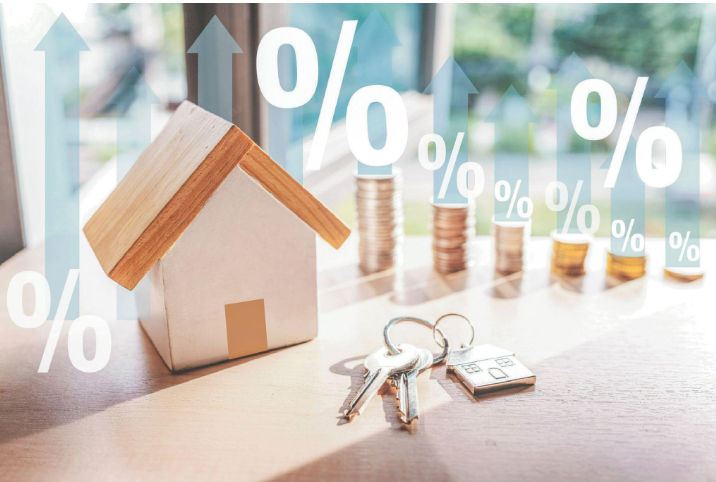
Interest rates are the most important factors in making a financial decision. Your money grows or shrinks based on these rates. Still, many people are unaware of how they work. When you need to buy a new home or grow your savings, the interest rate becomes the invisible force.
Thus, it is essential to have a solid understanding of the interest rate. You will learn how it is related to your loans, mortgages, and savings accounts.
What Are Interest Rates?
Interest is the reward for your investments or savings in a bank like ING. But, for those who have borrowed money, interest is the extra amount paid for the loan.
Savings Account and the Interest Rate
You can create a savings account with a bank and deposit some money. The bank will pay interest on that fund. It uses your money for lending purposes; in return, it pays a minimal amount as interest.
Most people earn simple interest on their savings account. However, there are ways to earn compound interest on your savings. It leads to faster growth of your interest in the bank’s account.
Interest on Your Loans
The loan interest refers to the amount paid to the lender for borrowing money. It is a percentage of the loan amount, which is to be paid every month.
A fixed interest rate remains the same during your loan tenure. In contrast, a variable rate can increase or decrease based on marketing conditions.
A small fluctuation in the rate can affect the total loan cost. To avail the loan at a better cost, you should:
- Increase your credit score and clear your dues on time
- Compare the rates offered by various lenders to find the best deal
- Negotiate with the loan provider to have a special offer
- Choose a shorter tenure with a lower interest rate
- Use your fixed deposit or property as collateral for the secured loan
Mortgage Interest Rate
A mortgage is a long-term loan intended to buy a home or land. Most borrowers choose a loan term of around 15 to 30 years. Interest can cover a significant part of the total payment. Like other loans, a home mortgage interest rate can be fixed or variable.
Factors Affecting the Interest Rate
A number of factors can increase or decrease the interest rate.
Higher inflation means a hike in interest rates on your loan. It is the extra compensation for the potential decline in the purchasing power of money. The economic condition of the country also affects the interest rate on your loan. Besides, your employment status and credit scores are other factors in determining the loan interest. You can contact the lender to learn details of the loan.
Conclusion
Interest rates appear to be a small percentage, but they have a significant effect on your financial health. Interest on your savings account will grow your wealth quietly. But, on the contrary, an increased rate on the loan or mortgage leads to a higher repayment amount. Thus, make your financial future more secure with this approach!
Also Read: UK Personal Allowance 2025/26: Rates, Thresholds, and How to Maximise Yours
Refresh Date: May 7, 2026