
An IFRS course provides finance experts with the necessary skills needed to prepare, analyse, and present their financial statements under international accounting standards. The program helps participants understand how firms recognise revenue, manage their resources, measure financial results, and meet international requirements. Real-life examples are included in such courses as participants get acquainted with issues facing finance professionals in different sectors.
Apart from theoretical knowledge, training on IFRS full form – International Financial Reporting Standards, improves critical skills such as analysis and decision making, which are very important in current finance careers. Candidates are taught how to analyze financial information effectively, increase the transparency of the reports made, and ensure business activities are conducted in line with international accounting standards.
7 Ways IFRS Course Supports Professionals For Finance Reporting Across Industries
1. Builds Understanding of Global Financial Reporting Standards
IFRS full form program – International Financial Reporting Standards assists the students in finding out the principles and applications of IFRS followed by the organisations worldwide. The course is important because it includes all necessary aspects like financial statements, income recognition, liabilities, assets, leasing, and disclosure.
Such information proves helpful when working with multinational organisations, banks, auditing firms, or organisations listed on international stock exchanges. People familiar with IFRS can prepare, analyse, and evaluate financial statements as per the international accounting standard criteria.
2. Prepares Professionals for Industry-Specific Reporting Challenges
Companies adopt different approaches to their accounting activities. IFRS training enables one to recognise these differences. In this regard, leases in aviation, revenues in information technology companies, financial assets in banks, and inventory management in manufacturing firms can be considered some of the areas that need knowledge of IFRS accounting.
The IFRS certification provides trainees with opportunities to learn from practical case scenarios in industries like healthcare, construction, retail, financial services, and telecommunications. It enables finance professionals to deal with accounting issues arising in different industries effectively.
3. Enhances Financial Statement Preparation Skills
The most important advantage associated with IFRS course training is that of preparing accurate and comprehensive financial statements. In the training, learners will learn how to prepare a balance sheet, statement of cash flows, statement of profit or loss, and notes to the accounts based on international accounting guidelines.
Presentation and disclosure play a major role in financial reporting. This skill is required by organisations that want their accountants to be accurate in their reporting process.
4. Develops Analytical and Interpretation Abilities
IFRS full form – International Financial Reporting Standards training is not only based on theoretical aspects of accounting. Candidates are taught how to analyse financial statements, identify risks associated with financial reporting and assess accounting treatments in various business environments. By going through this process of analysis, an individual becomes adept at understanding the finances of corporations.
This is important for an auditor, financial analyst, or the management because with their knowledge of how accounting affects taxes, profit, etc., they can help in formulating strategies and decision-making.
5. Improves Compliance and Regulatory Knowledge
The international business organisations operate under stringent accounting practices, and therefore, the IFRS course is meant to offer students the ability to perform effectively. It is evident that the candidates understand the significance of accounting ethics, being ready for audits, disclosure, and the legal environment within the international business organisation.
This knowledge will ensure that the firm avoids any reporting problems and any other problems relating to reputation. The individuals trained in IFRS are normally expected to report because they know how to do so consistently.
6. Increases Practical Exposure Through Real-World Case Studies
Most of the IFRS training programs also have some practical exercises and examples from the industry, which make you feel like you are reporting in actual practice. This will ensure that you know how to apply accounting theories to corporate finance operations.
Through solving practical reporting scenarios, candidates will be more comfortable when using the IFRS standards in various business transactions, business mergers, accounting adjustments, and consolidations.
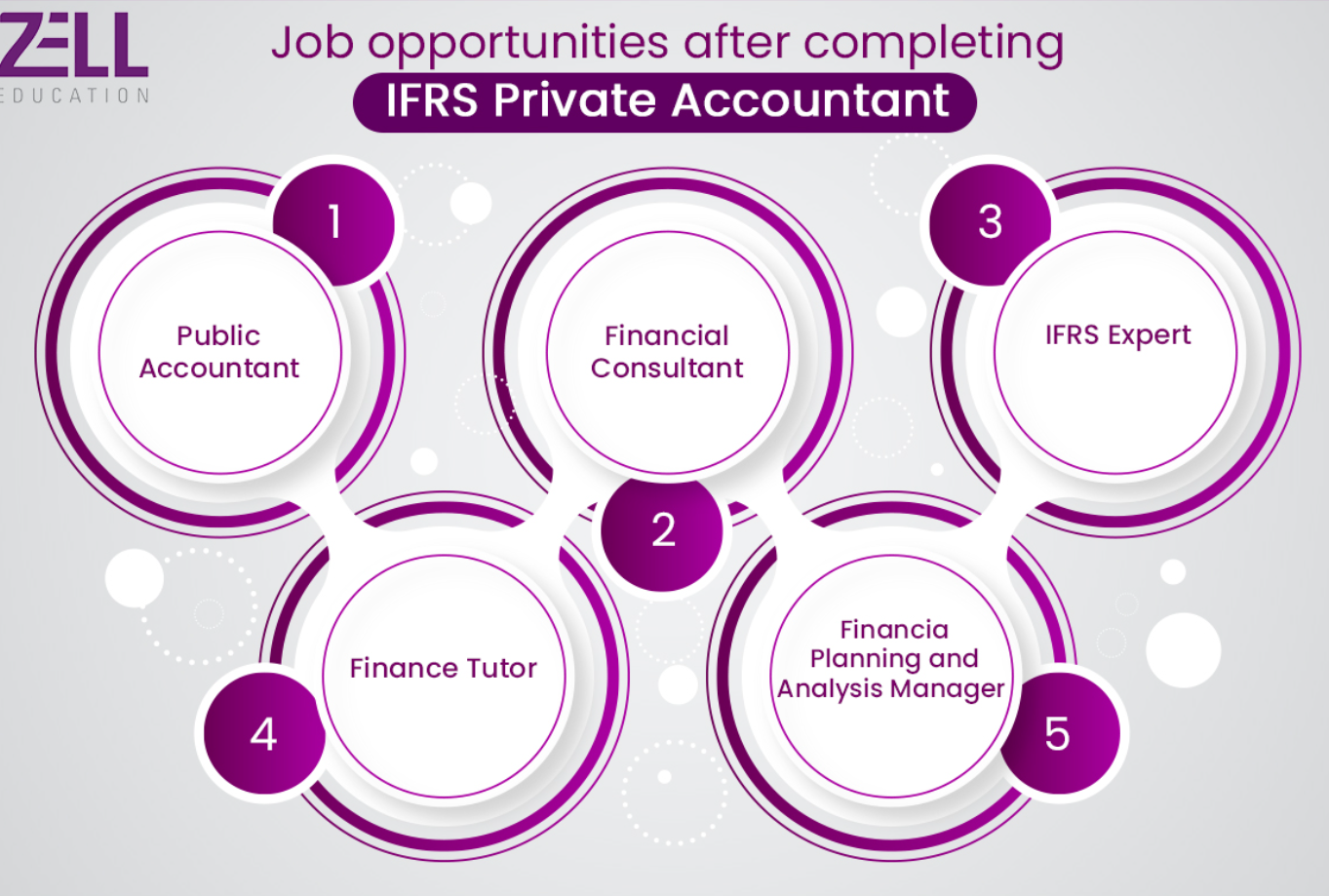
7. Creates Career Opportunities Across Multiple Industries
Professionals who have been trained using IFRS full form – International Financial Reporting Standards, are highly sought after by industries ranging from consulting firms, banks, IT services, manufacturing industries, logistics firms, MNCs, and even the healthcare industry. This is because most firms either use the IFRS framework directly or adjust their reports to conform to international standards, meaning that professionals who know IFRS can benefit from more international career paths.
The IFRS certification enhances the credentials of professionals interested in positions such as financial analyst, finance manager, auditor, financial reporting officer, and compliance officer.
Final Takeaway
Training in the IFRS course helps professionals develop knowledge about financial reporting standards used by global firms operating in various industries. With IFRS training, one is able to understand the process of analysing the financial reports and their meaning to the finances of the organisation.
This training will assist you in analysing the reports and reporting. You can also become successful in securing a job in the field of accounting and finance through the IFRS course training from the Zell Education experts.
FAQs
A1. Yes, because it involves the application of real-world financial statements and their disclosures.
A2. Yes, because it improves one’s understanding of the financial statements.
A3. Yes, having IFRS training will make finding jobs easier for you.
Also Read: How IFRS Course Knowledge Can Boost Your Salary in Finance Roles?
Refresh Date: May 29, 2026