
Portable power station wattage tells you how much electrical power the unit can deliver to your devices at one time. That number matters because it determines whether the station can run a phone charger, a laptop, a refrigerator, or a power tool safely and reliably. Many buyers confuse wattage with battery size, but they describe two different things. Watts measure power output, while watt-hours measure stored energy. Understanding both helps you avoid overloads, estimate performance, and choose a power station that actually fits your needs instead of relying on labels that sound impressive but reveal little practical information.
What Wattage Means in a Portable Power Station?
Continuous Output Watts Explained
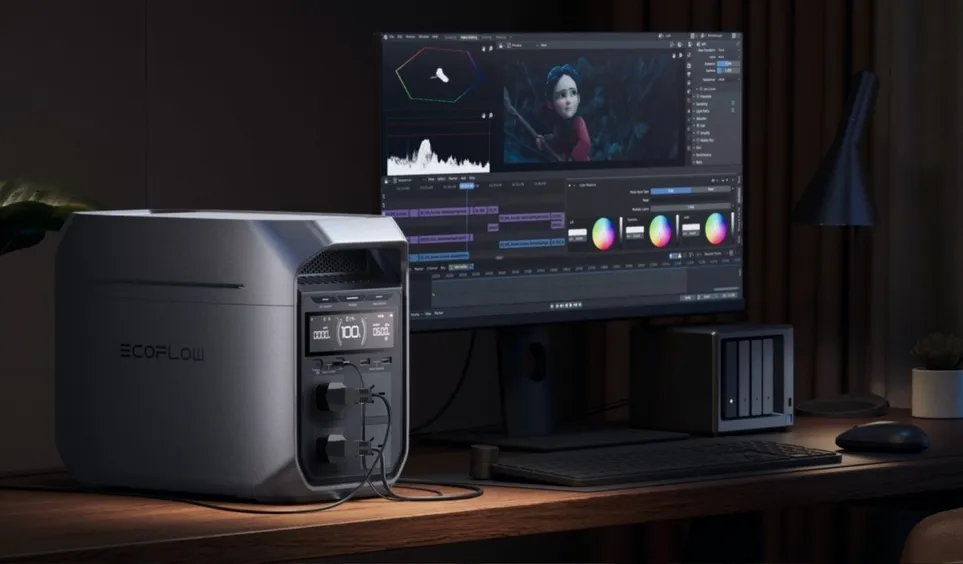
Continuous output watts refer to the amount of power a portable power station can supply steadily during normal operation. This is the number you should check first when deciding whether the unit can run a device. If an appliance needs 1200 watts continuously, the power station must support at least that level without interruption. For example, the EcoFlow DELTA 3 Plus Portable Power Station provides 1800W AC output, with 2400W and 3600W surge using X-Boost technology, making it suitable for many household and outdoor devices. Continuous wattage matters more than marketing language because it shows what the station can truly handle over time without tripping protection systems or shutting down unexpectedly.
Surge Power and Peak Wattage
Surge power, sometimes called peak wattage, is the extra power a portable power station can deliver for a very short time when a device starts up. Many appliances draw more electricity at startup than they do while running. Refrigerators, pumps, and certain power tools are common examples. A unit may run a device comfortably once it is operating, yet fail during startup if surge capacity is too low. That is why surge wattage matters. It gives the temporary boost needed to start motors and compressors safely. When you review specifications, compare both the continuous output and the surge rating so you know whether the power station can handle startup demands as well as normal use.
Wattage vs Battery Capacity (Wh vs W)
Why Watts Do Not Equal Runtime
Watts tell you how much power a station can deliver at a given moment, but they do not tell you how long it can keep delivering that power. Runtime depends on battery capacity, not output rating alone. A power station with high wattage can run demanding appliances, yet still empty quickly if its battery storage is limited. For instance, a unit capable of powering an 1800-watt appliance may only run it for a short period if the battery does not store much energy. That is why wattage and runtime should never be treated as the same thing. Output answers, “Can it power this device?” Capacity answers, “For how long?” Both numbers are essential when evaluating real-world performance.
How Watt-hours Determine Energy Storage
Watt-hours measure how much total energy a portable power station stores in its battery. This number is what you use to estimate runtime. If a device uses 100 watts, a 1000Wh battery can theoretically run it for about 10 hours before accounting for conversion losses. The larger the watt-hour rating, the longer the station can power your devices. Some systems also allow capacity expansion for longer use. For example, the EcoFlow DELTA 3 Plus offers expandable 1–5 kWh capacity using compatible extra batteries. That flexibility helps users support longer outages, travel, or jobsite use. In simple terms, watts handle power demand, while watt-hours determine how much usable energy is available.
How to Match Wattage to Your Devices?
Low, Medium, and High Watt Devices
Matching wattage to your devices starts with knowing their typical power draw. Low-watt devices include phones, tablets, LED lights, routers, and small fans. Medium-watt devices often include laptops, monitors, televisions, CPAP machines, and compact kitchen appliances. High-watt devices include microwaves, coffee makers, hair dryers, refrigerators, and many power tools. Check the device label or adapter for its watt requirement, then compare that number with the portable power station’s continuous output. If several items will run at once, add their wattages together. This simple step prevents mistakes and helps you choose a unit that supports your actual usage. Always leave some headroom instead of aiming for the exact limit.
Avoiding Overload and Power Shutdowns
Overload happens when connected devices demand more power than the portable power station can supply. When that occurs, the unit may shut down, trigger protection mode, or stop powering some outputs. To avoid this, total the running wattage of every device you plan to use at the same time, then account for startup surges from appliances with motors or compressors. Keep your combined load below the station’s continuous rating and avoid stacking too many medium- and high-watt devices on one session. It also helps to start large appliances one at a time rather than all together. Smart load planning protects your equipment, improves reliability, and prevents frustrating interruptions during use.
Conclusion
Portable power station wattage is simply the measure of how much power the unit can deliver at one time. Continuous watts show what it can run steadily, while surge watts help start demanding appliances. Battery capacity, measured in watt-hours, tells you how long that power can last. When you understand the difference, choosing the right model becomes much easier. Check your devices’ running and startup needs, add the loads carefully, and compare them with the station’s ratings. A clear look at watts and watt-hours leads to safer use and better performance.
Refresh Date: July 10, 2026