
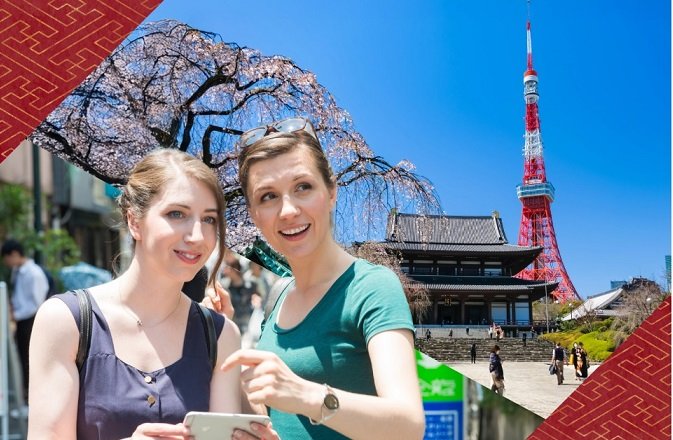
The global business landscape has seen a massive return to in-person interactions over the past two years. A recent global business travel study revealed that 81 percent of professionals believe they achieve better outcomes when prioritizing face-to-face meetings over digital alternatives. When it is time to expand your business operations into complex international markets, deep and localized relationship building becomes absolutely necessary. This is especially true in Japan, where traditional values of respect and hospitality still heavily influence corporate partnerships. Navigating a bustling metropolis like Tokyo requires a blend of cultural awareness, strategic venue selection, and a firm understanding of modern corporate travel trends.
The Resurgence of Face-to-Face Business in Japan
Japan is currently experiencing a massive influx of international corporate mobility. The Japanese business travel market was valued at approximately $69.4 billion in 2025 and is projected to reach an impressive $121 billion by 2034. This growth is heavily concentrated in Tokyo, specifically within Minato Ward. Serving as the primary center for international business in the country, this district houses the headquarters of major multinational corporations like Sony, Honda, and SoftBank, alongside more than 80 foreign embassies.
Minato Ward also retains the highest concentration of corporate executives in the city. As of 2024, nearly 16 percent of the ward’s residents held the title of company president or CEO. For visiting professionals, this means the area is a prime hub for networking and closing major deals. Many travelers base their itineraries around these commercial centers, frequently searching for upscale restaurants near Tamachi station to ensure they remain close to key partners. Japan set a new record for inbound arrivals in 2024 with 36.9 million visitors, cementing tourism as the country’s second-largest export sector. Recent hospitality data indicates that over 40 percent of United States business trips now include a dedicated leisure component, a trend that is rapidly reshaping corporate itineraries in Tokyo.
Mastering Japanese Dining Etiquette
Corporate entertainment in Japan is a formalized practice known as settai. This tradition is used to build trust and solidify long-term relationships outside the boardroom. However, hosting local partners requires a nuanced understanding of cultural expectations. Small gestures and dining manners carry significant weight and can directly impact your professional reputation.
Understanding foreign table manners is crucial for making a good impression and avoiding cultural offenses abroad. According to Forbes, knowing specific dining etiquette rules is essential for corporate travelers in Japan, advising that diners must never pass food directly from chopstick to chopstick because it mimics a funeral ritual. The same publication notes that guests should always ensure they dip the fish side of sushi and soy sauce rather than the rice. Demonstrating this level of cultural sensitivity shows deep respect for your local partners.
Strategic Venues for High-Stakes Meetings
Choosing the right location for a client dinner is just as important as the etiquette you practice. The Shinagawa and Tamachi districts are currently undergoing a massive urban revitalization under the Global Gateway Shinagawa strategy. This initiative is designed to position the Tokyo South area as a premier hub for international business exchange.
Because of this development, the area has become highly desirable for hosting corporate events. When planning an evening of settai, securing a prestigious location is paramount. Executives hosting local partners often look for private dining venues with specialized menus to provide an impressive, convenient setting. Premium private dining revenue in Japan grew by 12 percent in 2024, highlighting a clear corporate trend of prioritizing luxury operators and exclusive venues for high-stakes client hosting.
Actionable Tips for Entertaining Japanese Clients
Successfully managing corporate relationships in Tokyo requires careful planning and execution. Keep the following strategies in mind when preparing for your next business trip to Japan:
- Prioritize quality over frequency: A 2024 survey indicated that 68 percent of Japanese executives now prefer attending quarterly high-end dinners over monthly informal meetups.
- Focus on key business districts: Keep your meetings and dinners concentrated in Minato, Chiyoda, or Chuo wards. These three central wards collectively contain approximately 31 percent of all business establishments in the metropolis.
- Leverage the power of in-person meetings: Corporate professionals agree that face-to-face interactions are significantly more effective than remote alternatives for successfully closing deals, with respondents estimating a single physical meeting carries the impact of three virtual ones.
- Plan for future connectivity: Keep an eye on the Tamachi and Shinagawa corridor, which will be vastly enhanced by the highly anticipated Chuo Shinkansen high-speed maglev train line expected to launch services in 2027.
Securing global partnerships in Tokyo is a highly rewarding endeavor that relies heavily on mutual respect and face-to-face trust. By mastering local etiquette, choosing strategic venues, and understanding the evolving landscape of Japanese business travel, you can ensure your next corporate trip is both productive and memorable.
Refresh Date: July 8, 2026