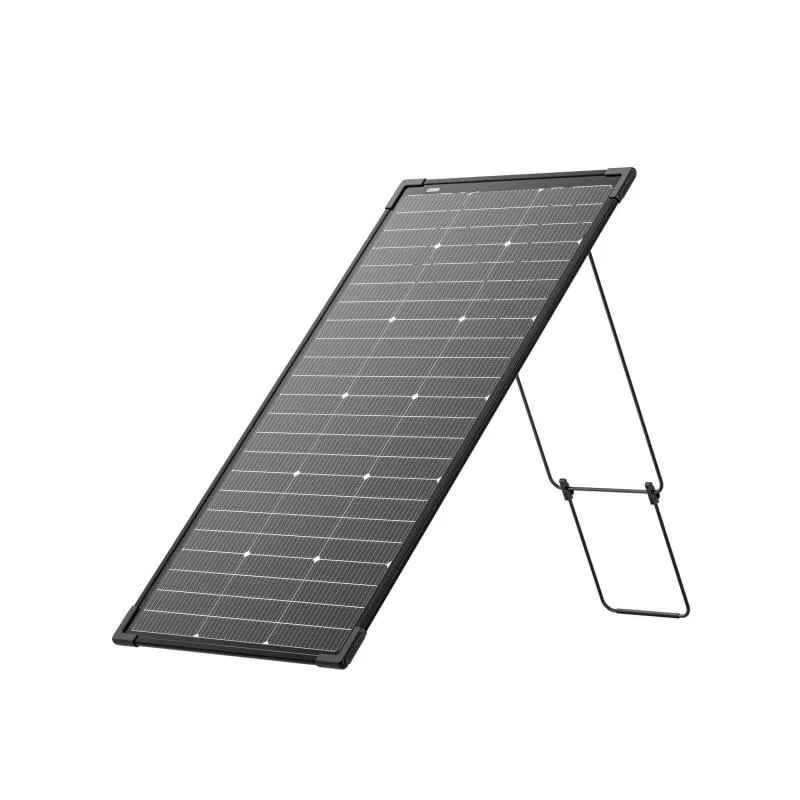
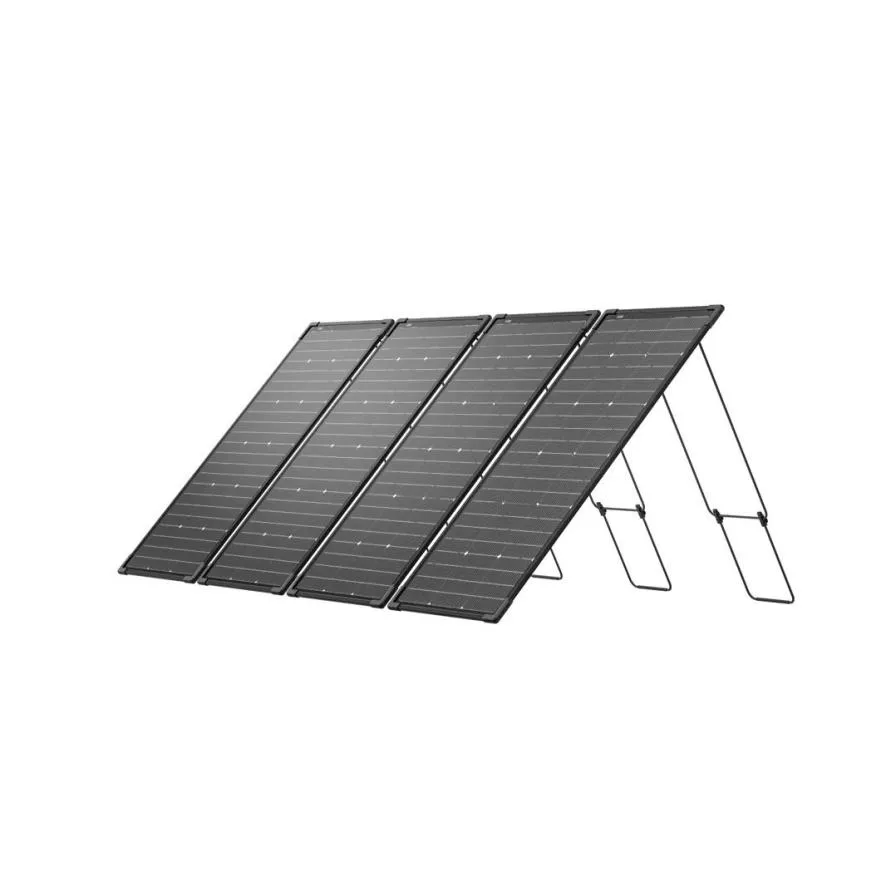
High-efficiency solar panels are worth the investment because they generate more electricity from the same amount of roof space, helping homeowners and businesses maximize energy production where space is limited. That higher output can reduce utility bills faster, improve long-term energy savings, and make a solar system more practical for properties with high electricity use. While these panels usually cost more upfront than standard options, the added performance often justifies the premium when installation area, long-term value, and system goals are considered together. For buyers comparing solar panels, the key question is not simply which panel is cheapest, but which one delivers the strongest balance of power, durability, and financial return over the life of the system.
What Makes High-Efficiency Solar Panels Different?
How Efficiency Affects Power Output
Efficiency directly determines how much electricity a panel can produce from incoming sunlight. A more efficient panel captures more of that solar energy and turns it into usable power instead of losing a larger share as heat or wasted potential. This matters because roof space is fixed. If two systems occupy the same footprint, the one using higher-efficiency panels can deliver more wattage and more annual energy generation. That advantage becomes especially important for households with electric vehicles, heat pumps, home offices, or other loads that raise consumption. Higher output can also reduce the number of panels needed to meet a target system size, which may simplify installation and improve the appearance of the array.
Key Technologies Behind Higher Efficiency
Higher efficiency usually comes from improved solar cell design and more refined manufacturing methods. Common advances include better cell passivation, reduced electrical resistance, improved light capture, and panel layouts that limit energy loss. Technologies such as multi-busbar connections, half-cut cells, and high-quality silicon help panels perform better under real operating conditions. Some designs also improve performance in lower light and reduce the effect of heat, which supports stronger energy production throughout the year. Stronger efficiency ratings are often paired with stricter quality control and better material selection, which can support long-term reliability. For buyers, the key takeaway is simple: higher efficiency is usually the result of multiple engineering improvements working together, not a single feature.
When Does Investing in High-Efficiency Solar Panels Make Sense?
Limited Roof Space and Higher Energy Needs
Limited roof space is one of the clearest reasons to choose high-efficiency solar panels. A small roof can place a hard cap on how many panels an installer can fit, especially when setbacks, obstructions, and orientation reduce usable area. In that situation, higher-efficiency modules help maximize total system output without expanding the footprint. They are also a strong fit for households with above-average electricity use. If a home runs central air for long seasons, charges an electric vehicle, or uses electric appliances and heating, a standard system may fall short unless the roof can support a large number of panels. High-efficiency options help close that gap by producing more power from each available section of roof.
Long-Term Savings, Durability, and ROI
High-efficiency solar panels often deliver better long-term savings because they generate more electricity over the life of the system. That stronger production can offset the higher purchase price, especially as utility rates rise over time. Many premium panels also come with solid product and performance warranties, which adds confidence that output will remain strong for decades. Durability matters just as much as efficiency, since weather exposure, temperature swings, and gradual degradation all affect lifetime value. A panel that maintains higher output year after year can improve return on investment even if the initial cost is higher. For buyers thinking beyond the first invoice, long-term production and reliability usually matter more than the lowest upfront price.
How to Evaluate High-Efficiency Solar Panels Before Buying
Performance, Warranty, and Environmental Factors
Before buying, check how the panel performs under real operating conditions, not just in laboratory ratings. Temperature coefficient is especially important because solar panels typically produce less power as they get hotter. A panel with better heat performance can preserve more output during warm weather and strong sun exposure. Warranty coverage also deserves close attention. Product warranties protect against defects, while performance warranties outline how much generating capacity the panel should retain over time. Environmental factors matter as well. Local climate, snow load, wind exposure, dust, and shading patterns all influence how much value a high-efficiency panel can provide. A well-built panel that handles site conditions effectively is usually a better investment than one chosen on efficiency rating alone.
Choosing the Right Solar Panel for Your Energy Goals
The right solar panel is the one that best supports your energy goals within the limits of your roof, budget, and expected electricity use. Start by identifying what you want the system to do: offset part of your bill, cover most household usage, prepare for future electric vehicle charging, or support broader electrification plans. Then compare panel output, efficiency, warranty strength, and lifetime production estimates against those goals. If your roof area is tight or you want the highest possible generation from a compact system, high-efficiency panels are often the better choice. If space is abundant and your target offset is modest, paying a premium may be less necessary. Matching the panel to the goal leads to a better investment than choosing on price alone.
Conclusion
High-efficiency solar panels are worth the investment when maximizing power, space, and long-term value matters. Their main advantage is simple: they produce more electricity from the same roof area, which can make a major difference for homes with limited space or high energy demand. Although they usually cost more upfront, that premium can be justified through stronger lifetime production, lower utility bills, and a better overall return on investment. The best way to evaluate them is to look at the full picture, including efficiency, wattage, warranty coverage, heat performance, degradation, and how well the system fits your future energy plans. For buyers who want to get the most out of their solar installation, high-efficiency panels are often not just a premium option, but the smarter one.
Refresh Date: July 10, 2026