Industrial facilities depend on stable, efficient, and well-controlled power to keep operations running smoothly. As equipment loads grow, energy use can become harder to track, manage, and optimize manually. Power management now requires faster visibility, smarter controls, and better coordination across machines, panels, meters, and backup systems.
Understanding energy automation for smarter industrial power management helps businesses connect monitoring, control, and decision-making into one organized system. Energy automation supports real-time insights, faster responses, and improved energy performance across critical operations.
Let’s look at how automated energy systems support smarter power management.
How Automated Energy Systems Improve Power Control
Automated energy systems help facilities monitor consumption, reduce waste, improve reliability, and respond faster to changing power conditions.
- Real-time Monitoring Improves Energy Visibility
Power management starts with knowing where, when, and how energy is being used. Manual checks may show basic readings, but they often miss sudden load changes or unusual consumption patterns.
Automated monitoring systems collect live data from meters, panels, machines, and connected equipment. This gives facility teams a clearer view of energy demand across different areas. With better visibility, teams can identify high-consumption equipment, compare usage trends, and detect problems before they affect operations.
- Smart Controls Reduce Energy Waste
Many industrial systems consume more power than needed when equipment runs at fixed settings. Motors, pumps, lighting, HVAC systems, and compressors may continue operating even when demand changes.
Energy automation helps adjust equipment operation based on real-time requirements. For example, controls can reduce motor speed, adjust lighting levels, or regulate cooling output when full capacity is not required. This supports better energy use without affecting productivity.
Smarter controls also help reduce peak demand. Facilities can shift or balance selected loads to avoid unnecessary stress on the electrical system.
- Faster Alerts Support Preventive Action
Electrical issues often begin with small warning signs. Rising demand, voltage imbalance, overheating, frequent trips, or unusual consumption can point to deeper system risks.
Automated systems can generate alerts when conditions move beyond safe limits. This helps maintenance teams respond before a minor issue becomes a major failure. Faster alerts also support better planning because teams can inspect affected equipment early.
Preventive action reduces downtime risk, protects assets, and improves long-term reliability. It also helps facility teams move from reactive maintenance to planned intervention.
- Data Integration Improves Operational Decisions
Power management becomes stronger when energy data connects with production, maintenance, and facility systems. Isolated data can limit visibility, while integrated systems help teams understand performance more clearly.
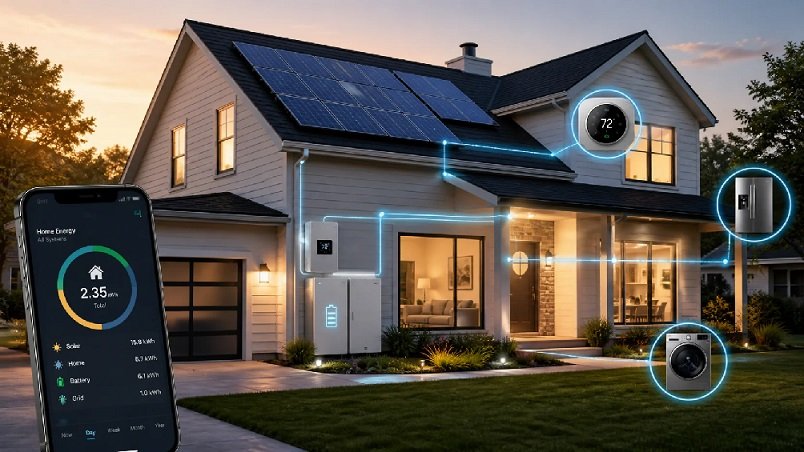
Energy automation can connect meters, controllers, sensors, software platforms, and dashboards. This allows teams to review energy use alongside equipment behavior, production schedules, and maintenance needs.
With connected data, managers can make better decisions about load planning, equipment upgrades, energy-saving actions, and future capacity requirements. This makes power management more strategic and less dependent on guesswork.
- Automated Load Management Supports Reliability
Facilities often run multiple critical and non-critical loads at the same time. Without proper load management, sudden demand spikes can create stress on panels, transformers, backup systems, and distribution networks.
Automated load management helps prioritize important systems and balance demand more effectively. During high-load conditions, selected non-critical loads can be adjusted or delayed while essential operations continue.
This supports safer power distribution and helps reduce overload risks. It is especially useful in facilities with automation lines, data systems, HVAC loads, and backup power arrangements.
Build Smarter Power Management with Connected Energy Control
Energy automation gives industrial facilities a stronger way to monitor, control, and optimize power use. It improves visibility, reduces waste, supports faster alerts, and helps teams make better energy decisions.
It also strengthens reliability by improving load management and reducing the risk of unexpected electrical stress. With connected systems, facilities can plan energy use more accurately across daily operations.
Partnering with a reputable electric brand can help businesses choose dependable monitoring, control, and power management solutions for industrial environments. This becomes important when uptime, efficiency, safety, and scalability are key priorities.
A well-planned energy automation strategy helps facilities reduce operating risks, improve energy performance, and build smarter infrastructure for future growth.
Refresh Date: July 20, 2026