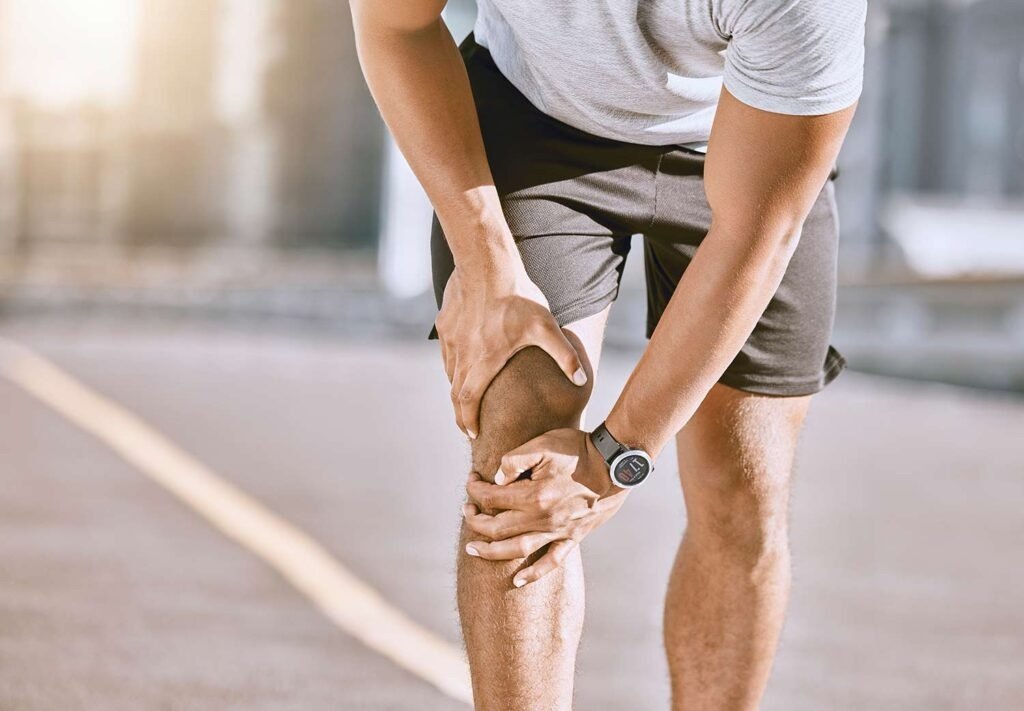
Recovery days are just as important as active training because they give your joints and surrounding tissues time to repair, adapt, and become stronger. Without enough rest, repeated stress can build up and increase the risk of knee pain (this is commonly referred to as ปวดเข่า in Thai), even if your exercise routine seems well planned. Whether you enjoy running, strength training, cycling, or regular walks, allowing your knees to recover can help you stay active for longer while reducing unnecessary strain.
Recovery Is When Your Knees Adapt
Exercise places healthy stress on muscles, tendons, ligaments, and cartilage. While movement is beneficial, your body does not become stronger during the workout itself. It improves afterwards while you rest.
Recovery days allow tiny areas of tissue stress to heal naturally. They also help reduce inflammation that develops after demanding physical activity. This process supports better joint function and prepares your knees for the next training session.
Skipping recovery repeatedly may leave your knees working harder than they should, making even familiar activities feel less comfortable over time.
Rest Does Not Mean Doing Nothing
Many people imagine recovery as spending the entire day on the sofa. In reality, active recovery is often the better choice for healthy knees.
Gentle movement encourages circulation, helping nutrients reach the tissues that need repair. Suitable recovery activities include:
- Easy walking
- Gentle cycling with low resistance
- Swimming
- Light stretching
- Mobility exercises
These activities keep the joints moving without placing excessive pressure on them.
Signs Your Knees Need a Recovery Day
Your body usually provides clues before a small problem becomes a larger one. Paying attention to these signals allows you to adjust your routine before discomfort develops further.
Common signs include:
- Stiffness that lasts into the next day
- Heavier legs during normal activities
- Reduced flexibility around the hips or ankles
- Difficulty completing your usual workout
- A feeling that your knees are working harder than normal
Listening to these warning signs is not a setback. It is a practical way to protect long-term joint health.
Recovery Supports Better Performance
Some people believe exercising every day produces faster results. However, consistent improvement often depends on balancing training with adequate recovery.
With proper recovery, your knees may begin to feel:
- Better movement quality
- Improved strength during workouts
- Greater confidence during exercise
- Less fatigue after activity
- More consistent progress over time
A structured fitness plan includes both challenging sessions and lighter days because both contribute to lasting results.
Build Recovery Into Your Weekly Routine
Recovery should not be something you only consider after discomfort appears. Planning it in advance helps maintain healthy movement patterns throughout the week.
Simple ways to support recovery include getting enough sleep, staying hydrated, eating a balanced diet rich in protein, varying your exercise intensity, and avoiding sudden increases in training volume. Even one or two planned recovery days each week can make a meaningful difference for active individuals.
Keep Your Knees Moving for the Long-Term
Healthy knees are built through consistency rather than constant intensity. Giving your body permission to recover helps maintain strength, flexibility, and confidence in everyday movement, making it easier to continue enjoying the activities you love for years to come.
If your knees continue to feel uncomfortable despite adjusting your training routine and recovery habits, BPC can assess your movement, identify contributing factors, and create a personalised treatment plan to help you stay active safely.
Refresh Date: July 22, 2026