

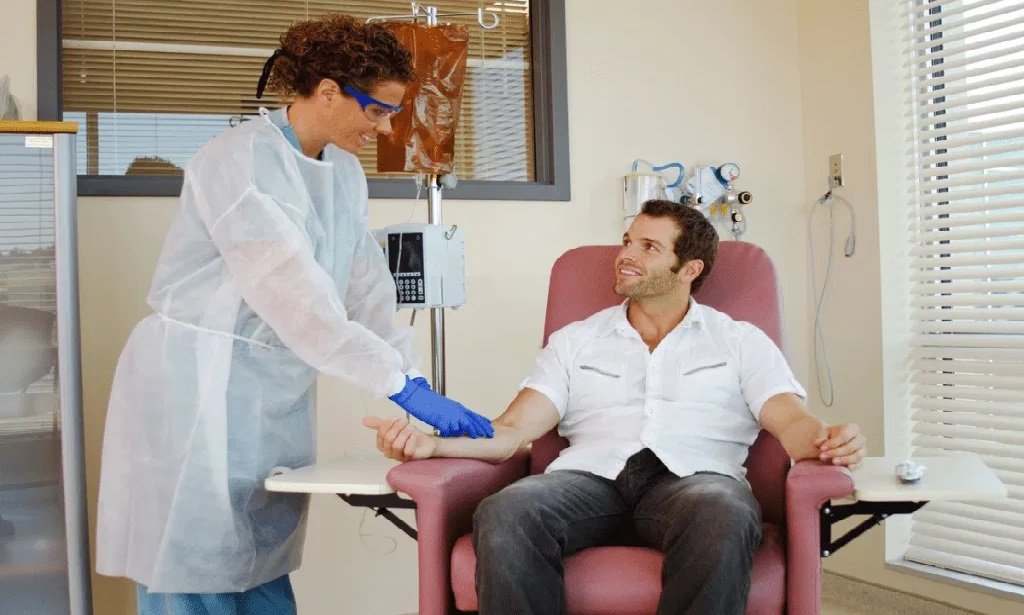
Doctors determine whether chemotherapy treatment (this is commonly referred to as รักษาคีโม in Thai) is working by looking at several pieces of evidence rather than relying on a single test or symptom. Depending on the type and location of the cancer, they may use imaging scans, physical examinations, laboratory tests, tumour markers and changes in symptoms to assess response. These findings are compared with earlier results, helping the medical team understand whether the cancer has shrunk, remained stable or continued to grow.
Treatment Response Is Measured Over Time
Chemotherapy does not usually come with an immediate sign that tells someone it is working. A patient might experience side effects, feel relatively normal or even notice improvements in certain symptoms, but none of these alone confirms how the cancer is responding.
Doctors instead establish a baseline before or around the beginning of treatment. Later assessments can then be compared with this starting point.
The timing of these checks varies. Some patients may be assessed after several treatment cycles, while others follow a different schedule based on their diagnosis and individual treatment plan.
Scans Can Reveal Changes That Cannot Be Felt
Imaging is one of the tools doctors may use to monitor certain cancers. CT, MRI, PET scans or other imaging techniques can provide information about tumours inside the body.
Doctors can compare newer images with earlier ones to look for changes in the size, number or appearance of cancerous areas.
A tumour becoming smaller may indicate that treatment is having the intended effect. However, shrinkage is not always the only positive outcome. In some situations, preventing a cancer from growing or spreading further can also be an important treatment goal.
Physical Changes Can Provide Useful Clues
Not every assessment requires sophisticated equipment. Physical examinations may provide valuable information when a tumour or affected area can be examined directly.
A doctor might check whether a lump has changed in size or whether swelling has improved. They may also ask whether cancer-related symptoms, such as pain or discomfort, have changed since treatment began.
These observations form part of a much broader clinical picture.
Laboratory Tests May Add Another Piece of Evidence
Certain cancers produce substances that can sometimes be measured in the blood. These are commonly called tumour markers.
When a tumour marker is relevant to a particular cancer, doctors may track its level over time. A changing result can provide useful information, although tumour markers are generally interpreted alongside other assessments rather than being used alone.
Other laboratory tests may also be performed throughout treatment to monitor the patient’s general health and help guide ongoing care.
What If the Cancer Has Not Shrunk?
Hearing that a tumour has not become smaller can sound discouraging, but response is more complicated than size alone.
Doctors may describe cancer as responding, stable or progressing depending on the findings. Stable disease means the cancer has not significantly grown or spread during the assessment period, which may be meaningful depending on the aim of treatment.
If results suggest that the cancer is progressing, the medical team may review the current plan and consider whether another treatment approach would be more appropriate.
Side Effects Do Not Measure Success
A common misconception is that stronger side effects mean chemotherapy is working better. The severity of nausea, tiredness, hair loss or other effects does not reliably indicate how effectively the medicine is treating cancer.
Patients should therefore report side effects rather than feeling they need to tolerate them as proof that treatment is working.
Following the Evidence Throughout the Journey
Understanding whether chemotherapy is working is an ongoing process built around medical evidence, careful monitoring and each patient’s individual treatment goals. Rather than judging progress from day-to-day feelings alone, patients can discuss their assessment results directly with their cancer care team. Chiwamitra Cancer Hospital provides personalised cancer care and chemotherapy services, helping patients understand their treatment plans, monitoring and next steps throughout their care journey.
Refresh Date: August 11, 2026