
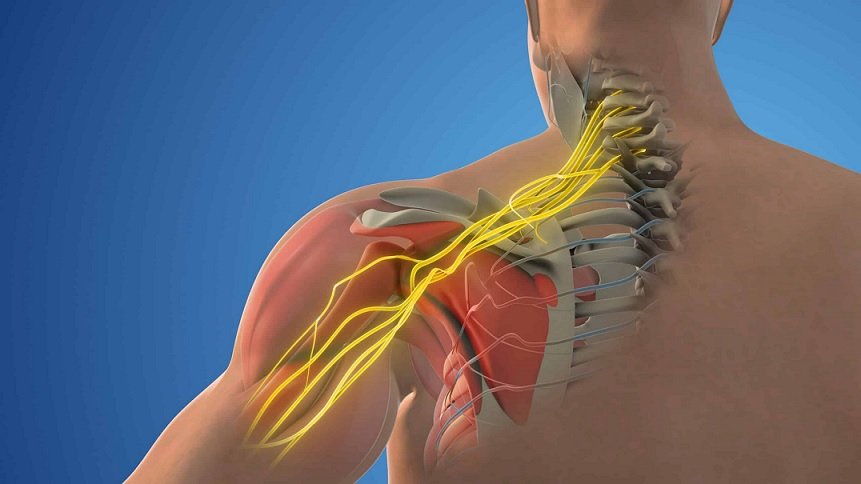
Poor posture has become increasingly common because of long working hours, sedentary lifestyles, and excessive screen time. Many people spend hours sitting at desks, using mobile phones, or working on computers without maintaining proper body alignment. Over time, this can place excessive strain on the spine, muscles, and surrounding nerves.
One of the lesser-known consequences of poor posture is a pinched nerve. This condition can cause pain, numbness, tingling sensations, and muscle weakness that may interfere with daily activities and overall quality of life.
At Sparsh Hospital, orthopaedic specialists provide advanced diagnosis and treatment for nerve-related musculoskeletal conditions, including pinched nerves caused by spinal and postural problems.
What is a pinched nerve?
A pinched nerve occurs when surrounding tissues, such as bones, muscles, tendons, cartilage, or spinal discs, place excessive pressure on a nerve. This compression can disrupt normal nerve function, leading to symptoms such as pain, tingling, numbness, or muscle weakness.
Pinched nerves can develop in different parts of the body, but they most commonly affect the neck, lower back, shoulders, and wrists.
How does poor posture contribute to a pinched nerve?
Maintaining incorrect posture for prolonged periods can place uneven stress on the spine and surrounding structures. Over time, this may lead to inflammation, muscle imbalance, and nerve compression.
Forward head posture
Constantly looking down at mobile phones or leaning towards computer screens can strain the neck muscles and cervical spine. This posture increases pressure on nerves in the neck and shoulders, potentially causing pain and numbness that may radiate into the arms.
Slouching while sitting
Poor sitting posture can increase stress on the lower spine and spinal discs. Slouching for extended periods may contribute to disc problems and nerve compression in the lower back.
Rounded shoulders
Rounded shoulders and improper upper body alignment may tighten muscles around the neck and upper back, leading to nerve irritation.
Poor sleeping posture
Sleeping in awkward positions or using unsupportive pillows can increase pressure on the spine and nerves, particularly in the neck.
Prolonged sedentary lifestyle
Sitting for long hours without movement weakens supportive muscles and increases spinal strain, raising the risk of nerve compression.
Common symptoms of a pinched nerve
Symptoms vary depending on the location and severity of the nerve compression.
Some common symptoms include:
- Sharp or radiating pain
- Tingling or “pins and needles” sensation
- Numbness in affected areas
- Muscle weakness
- Burning sensations
- Reduced mobility
- Neck or lower back pain
- Pain that worsens with certain movements
Symptoms may gradually worsen if the underlying postural issues are not addressed.
Areas commonly affected by posture-related pinched nerves
Neck (cervical spine)
Poor neck posture can compress cervical nerves, causing pain that radiates into the shoulders, arms, and hands.
Lower back (lumbar spine)
Improper sitting posture and spinal strain may lead to lower back nerve compression, often causing pain that travels down the legs.
Shoulder region
Tight muscles and poor shoulder alignment can irritate nearby nerves, leading to discomfort and restricted movement.
Risk factors that increase the chances of a pinched nerve
Several lifestyle and health factors can increase the likelihood of developing posture-related nerve compression.
These include:
- Sedentary work environments
- Prolonged computer or mobile phone usage
- Obesity
- Weak core muscles
- Lack of physical activity
- Repetitive movements
- Improper workstation ergonomics
- Existing spinal conditions
When should you see an orthopaedic specialist?
While mild symptoms may improve with rest and posture correction, persistent or worsening symptoms should be evaluated by a medical professional.
You should seek medical attention if you experience:
- Pain lasting more than a few weeks
- Persistent numbness or tingling
- Muscle weakness
- Difficulty performing daily activities
- Severe neck or back pain
- Symptoms spreading to the arms or legs
- Loss of coordination or balance
At Sparsh Hospital, orthopaedic specialists use advanced imaging and diagnostic evaluations to identify the exact cause of nerve compression and recommend appropriate treatment.
Diagnosis of a pinched nerve
Accurate diagnosis is essential to determine the location and severity of the nerve compression.
Diagnostic methods may include:
- Physical examination
- Neurological assessment
- X-rays
- MRI scans
- CT scans
- Nerve conduction studies
These evaluations help identify whether poor posture, disc problems, arthritis, or other spinal conditions are contributing to the symptoms.
Treatment options for a pinched nerve
Treatment depends on the severity of symptoms and the underlying cause of the nerve compression.
Non-surgical treatments
Many patients improve with conservative treatment approaches, including:
- Posture correction
- Physiotherapy
- Stretching and strengthening exercises
- Anti-inflammatory medications
- Ergonomic adjustments
- Lifestyle modifications
- Hot and cold therapy
Proper posture training and regular physical activity often play a major role in relieving symptoms and preventing recurrence.
Surgical treatments
In severe cases where conservative treatments fail to provide relief, surgical intervention may be necessary to reduce pressure on the affected nerve.
Patients experiencing chronic nerve compression may benefit from specialised care such as Pinched Nerve Treatment in Bangalore, particularly when symptoms interfere with mobility and daily functioning.
How to prevent posture-related pinched nerves?
Maintaining healthy posture habits can help reduce spinal stress and minimise the risk of nerve compression.
- Maintain proper sitting posture.
- Keep the spine aligned while sitting and avoid slouching for long periods.
- Use ergonomic workstations
- Proper desk and chair setup can reduce strain on the neck, shoulders, and lower back.
- Take frequent breaks
- Regular standing, stretching, and walking can help relieve pressure on the spine and muscles.
- Strengthen core muscles
- Regular exercise helps support spinal stability and posture.
- Avoid prolonged mobile phone use
- Holding devices at eye level can help reduce neck strain.
Why does choosing the right orthopaedic care matter?
Managing posture-related nerve problems requires accurate diagnosis, personalised treatment, and expert orthopaedic care. Receiving treatment from an Orthopaedic Hospital in Bangalore can help patients access comprehensive spinal evaluation, rehabilitation, and advanced treatment options.
With experienced orthopaedic specialists and modern treatment facilities, Sparsh Hospital provides specialised care for a wide range of musculoskeletal and nerve-related conditions.
Conclusion
Poor posture can significantly contribute to the development of a pinched nerve by placing excessive stress on the spine and surrounding tissues. Ignoring early symptoms such as numbness, tingling, pain, or muscle weakness may lead to worsening nerve compression and reduced mobility over time.
Recognising the signs early, correcting posture habits, and seeking timely medical care can help prevent long-term complications and improve overall spinal health. Patients with persistent symptoms may benefit from advanced Pinched Nerve Treatment at a trusted Orthopaedic Hospital in Bangalore. Consulting experienced specialists at Sparsh Hospital can help ensure accurate diagnosis, effective treatment, and long-term recovery support.
Refresh Date: June 30, 2026