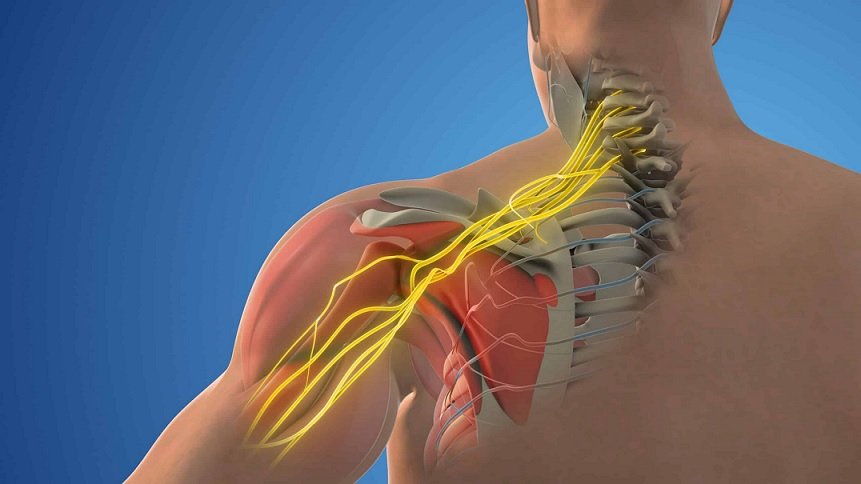


Have you ever tried lifting your arm or reaching behind your back, only to feel a sharp or nagging pain in your shoulder? At first, it may seem like a minor strain, something that will resolve with rest. However, when discomfort lingers or worsens over time, it could be a sign of a deeper issue.
This is where understanding rotator cuff tears becomes important. These injuries are among the most common yet often ignored shoulder pain causes, especially in individuals with repetitive arm movements or age-related wear and tear. What makes them concern is that symptoms can develop gradually, making them easy to overlook.
Therefore, it is important to recognise early warning signs and timely action can prevent long-term damage and reduce the need for surgery.
What is a rotator cuff tear?
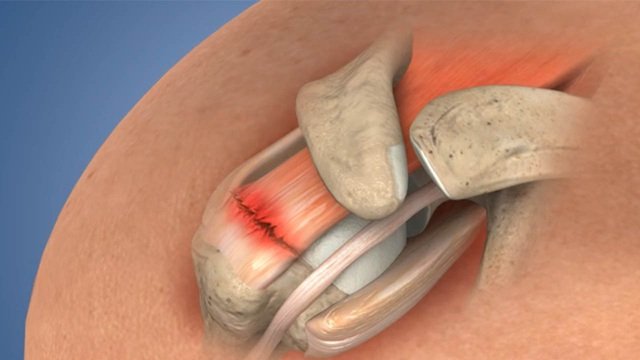
A rotator cuff tear occurs when one or more tendons in the shoulder are damaged or torn. The rotator cuff plays a critical role in stabilising the shoulder joint and enabling smooth arm movement.
These injuries may result from sudden trauma, such as a fall, or from gradual degeneration. Moreover, issues related to rotator cuff tears often arise because shoulder & elbow movements often work together during daily activities. Therefore, discomfort in this region should not be ignored.
Rotator cuff tear symptoms to watch for
Identifying rotator cuff tear symptoms early can help prevent worsening of the condition.
Common symptoms include:
- Persistent shoulder pain, especially during movement
- Difficulty lifting or rotating the arm
- Weakness in the shoulder
- Pain while sleeping on the affected side
- A clicking or popping sensation during movement
Additionally, these signs of rotator cuff tears may gradually worsen if left untreated. Therefore, early evaluation is essential for effective management.
Why early detection matters?
Early detection plays a crucial role in preventing further damage and improving recovery outcomes. When diagnosed early, most rotator cuff injuries can be treated without surgery.
Ignoring symptoms can lead to severe tears, reduced mobility, and prolonged recovery. Moreover, delayed treatment may limit non-surgical options and increase the need for invasive procedures. Therefore, consulting experienced specialists is highly recommended.
If you are experiencing persistent shoulder discomfort, seeking advice from experienced Orthopaedic Doctors in Pune can help ensure accurate diagnosis and personalised treatment.
Non-surgical treatment options
Many cases of rotator cuff injuries can be effectively managed without surgery. Non-surgical treatment focuses on reducing pain, restoring function, and strengthening the shoulder.
Common treatment approaches include:
- Rest and activity modification to avoid strain
- Physiotherapy exercises to improve strength and flexibility
- Anti-inflammatory medications for pain relief
- Hot and cold therapy to reduce swelling and stiffness
Moreover, a structured rehabilitation plan plays a key role in recovery. Therefore, early intervention significantly improves outcomes and reduces complications.
Recovery and rehabilitation
Recovery from a rotator cuff tear requires consistency and patience. Proper rehabilitation ensures that the shoulder regains strength and functionality.
Important recovery tips include:
- Follow physiotherapy exercises regularly
- Gradually increase activity levels
- Avoid heavy lifting during the healing phase
- Maintain proper posture to reduce strain
Additionally, strengthening surrounding muscles helps support the shoulder joint and prevents reinjury. Therefore, adhering to a guided recovery plan is essential for long-term results.
Preventing rotator cuff injuries
Preventing injuries is always better than treating them. Simple lifestyle changes can significantly reduce the risk of developing shoulder problems.
Preventive measures include:
- Regular stretching and strengthening exercises
- Avoiding repetitive overhead movements
- Maintaining good posture
- Using proper techniques during physical activities
Moreover, regular check-ups can help detect early issues before they become serious. For advanced care and preventive strategies, you can explore services at an Orthopaedic Hospital in Pune to ensure comprehensive support.
Conclusion
Rotator cuff injuries are common but often ignored until they begin to interfere with daily life. Therefore, recognising early rotator cuff tear symptoms and understanding the signs of rotator cuff tears is essential for timely care.
By taking proactive steps and seeking expert guidance from specialists at Aditya Birla Memorial Hospital, individuals can benefit from advanced care for rotator cuff tears shoulder & elbow conditions. This approach helps restore shoulder function and supports a return to a pain-free, active lifestyle.
FAQs:
A1. Early symptoms of a rotator cuff tear include shoulder pain, weakness, difficulty lifting the arm, and discomfort while sleeping on the affected side.
A2. Yes, many cases can be treated with physiotherapy, rest, and medication, especially when diagnosed early.
A3. Common causes of shoulder pain include repetitive movements, ageing, poor posture, and sudden injuries to the shoulder tendons.
Also Read:
- How Milk Thistle Supplements Can Support Your Body’s Detoxification
- Why A Provider Enhances Experiences at A Medical Spa in Lewis Center
Refresh Date: June 15, 2026