
A lot happens in the first few hours after a baby is born. Parents are still settling in, nurses are moving around, and somewhere in the middle of all that, a doctor or nurse might mention something called newborn screening. Many parents hear the term and nod along without really knowing what it means or why it matters. That is completely understandable. The first day or two after birth can feel like a blur.
So here is a plain, honest explanation of what this process is about.
What Newborn Screening Actually Means
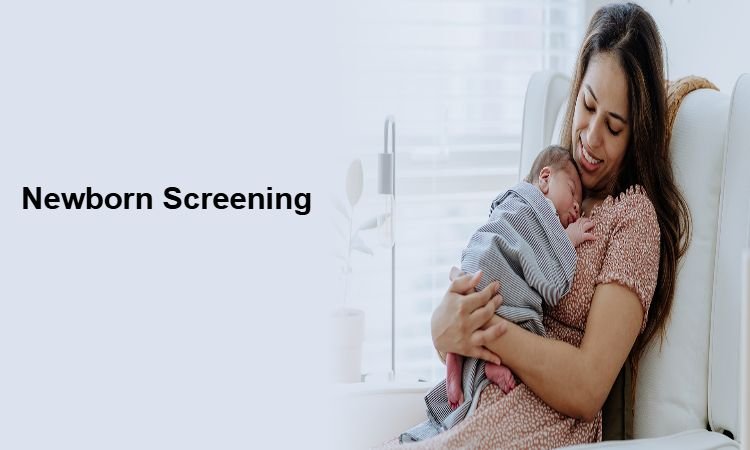
A newborn screening test is a set of checks done on a baby shortly after birth, not to see if the baby looks healthy, but to check for conditions that may not show any visible signs at all. A baby can appear completely well and still have a metabolic or genetic condition working quietly in the background, one that, if caught early, can often be managed before it causes any lasting harm.
The test is usually done at least 24 hours after birth, not before, because that window allows certain markers in the blood to reach detectable levels. A small amount of blood is taken from the baby’s heel using a quick, painless prick, placed on a filter paper, and sent to a lab. In some cases, a urine sample collected through a filter paper kept in the diaper is also used for additional analysis.
The conditions being checked include fatty acid oxidation disorders, amino acid disorders, organic acid disorders, congenital hypothyroidism, congenital adrenal hyperplasia, galactosemia, G6PD deficiency, sickle cell anemia, cystic fibrosis, and several others. Many of these are rare, yes, but the point is that if one of them is present and goes undetected for weeks or months, the outcome can be far more difficult to manage than if it were caught right away.
Why Timing Matters More Than Most People Realize
The logic behind newborn screening test is actually straightforward once you think about it. Many metabolic conditions do not produce symptoms immediately. A baby with phenylketonuria, for example, will seem perfectly normal at birth, but without a modified diet started in the early weeks of life, the condition can affect brain development over time. The same pattern holds for several other conditions on the screening panel. Early detection does not just help with planning; it changes what is possible in terms of treatment.
New parents, especially those who did not know the test existed. Some families only find out about it after a delay, which is why it helps to know about it before the birth, if possible.
MedGenome, through its BabySecure panel, covers over 65 disorders using technologies such as Tandem Mass Spectrometry (TMS) and Gas Chromatography-Mass Spectrometry (GCMS), with results available within 2 to 4 working days, depending on the chosen panel. The sample collection process is straightforward and can be done at the hospital or through home collection.
What Happens After the Test
Results from a neonatal screening test generally fall into one of three categories. A normal result means no signs of the screened conditions were found. An abnormal or positive result does not confirm a diagnosis; it simply means further testing is needed to understand what is going on. A borderline or inconclusive result may require the test to be repeated. None of these outcomes should be a cause for panic on their own, but they do require follow-up, and that is where having access to genetic counseling makes a real difference.
One thing worth knowing is that there is no strict age cutoff for the test. The ideal window is 24 to 72 hours after birth, but the screening can still be done later if it was missed or delayed. Getting it done at some point is better than skipping it altogether.
For families who are just starting to look into this, reading through what different screening panels cover can help set expectations before you speak to your doctor or the lab.
Also Read:
Refresh Date: June 30, 2026