
Living with missing teeth can affect more than just the way your smile looks. It can change how you eat, speak, and feel in social situations. For many people, dental implants offer a reliable and natural-looking way to restore both function and confidence. However, before deciding whether implants are the right choice, it is worth understanding what the treatment involves, who may be suitable, and what kind of commitment is needed.
What Are Dental Implants?
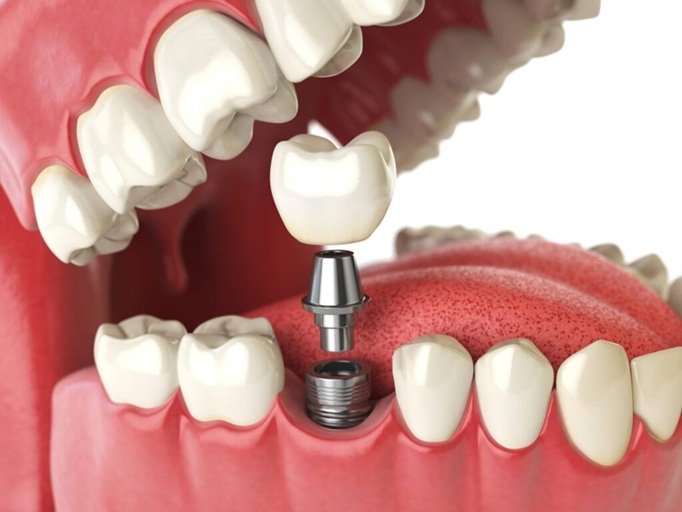
Dental implants are small titanium posts that are placed into the jawbone. Once fitted, they act as artificial tooth roots. Over time, the implant fuses with the surrounding bone, creating a strong foundation for a crown, bridge, or denture.
Unlike removable dentures, implants are fixed in place, which can make them feel more stable and secure. They are also designed to blend in with your natural smile, making them a popular choice for patients who want a long-term solution to tooth loss.
Who Might Be Suitable for Dental Implants?
Many people with missing teeth may be suitable candidates for dental implants, but suitability depends on several factors. A dentist will usually assess your oral health, jawbone density, medical history, and lifestyle habits before recommending treatment.
Good candidates often have healthy gums, enough jawbone to support the implants, and a commitment to maintaining excellent oral hygiene. If you have experienced bone loss, you may still be able to have implants, but additional treatments such as bone grafting may be needed first.
People who smoke, have uncontrolled gum disease, or certain medical conditions may need extra assessment before treatment can go ahead. This does not always rule implants out, but it may affect healing or long-term success.
The Treatment Process Takes Time
Dental implants are not usually completed in a single appointment. The process often involves consultation, planning, implant placement, healing time, and the fitting of the final restoration. Healing can take several months, as the implant needs time to bond with the jawbone.
Although this may sound like a long process, careful planning is one of the reasons implants can provide such strong and lasting results. Your dentist will explain each stage clearly, so you know what to expect.
Implants Can Replace More Than One Tooth
Dental implants are not only used for single missing teeth. They can also support bridges or full-arch restorations. For patients who have lost most or all of their teeth, full mouth dental implants may provide a fixed and comfortable alternative to traditional dentures.
This type of treatment can help restore chewing ability, speech, and confidence, especially for those who struggle with loose or uncomfortable dentures.
Aftercare Is Essential
Implants are strong, but they still require proper care. Brushing, flossing, regular dental checkups, and professional hygiene appointments are all important. Poor oral hygiene can lead to gum inflammation and implant complications, so long-term care should be taken seriously.
Summing Up
Dental implants can be an excellent solution for missing teeth, but they are not a one-size-fits-all treatment. The best first step is to book a consultation with an experienced dental professional who can assess your needs and explain your options.
With the right planning, care, and guidance, dental implants can help restore not only your smile but also your comfort and confidence in everyday life.
Also Read: The Unsung Support Systems That Help Older Adults Thrive
Refresh Date: June 19, 2026